Norse Folklore
Trolls
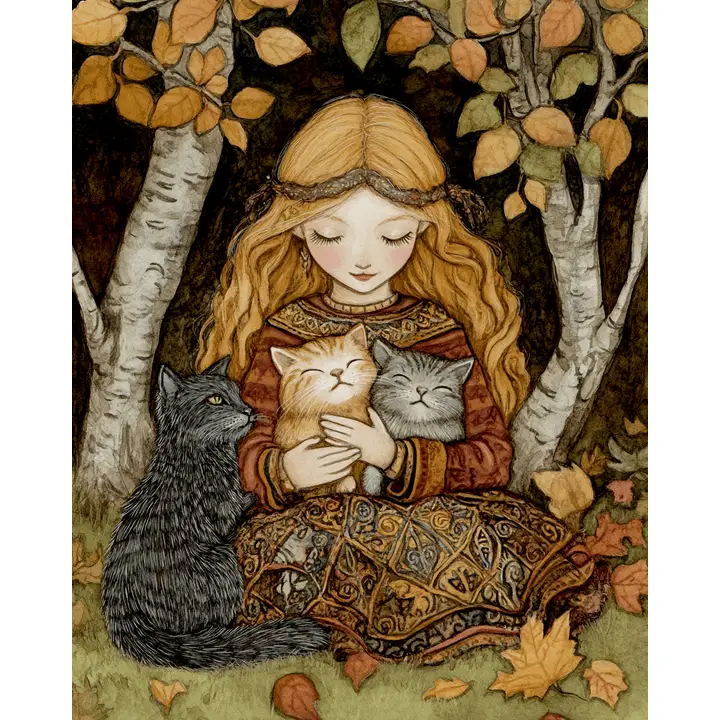
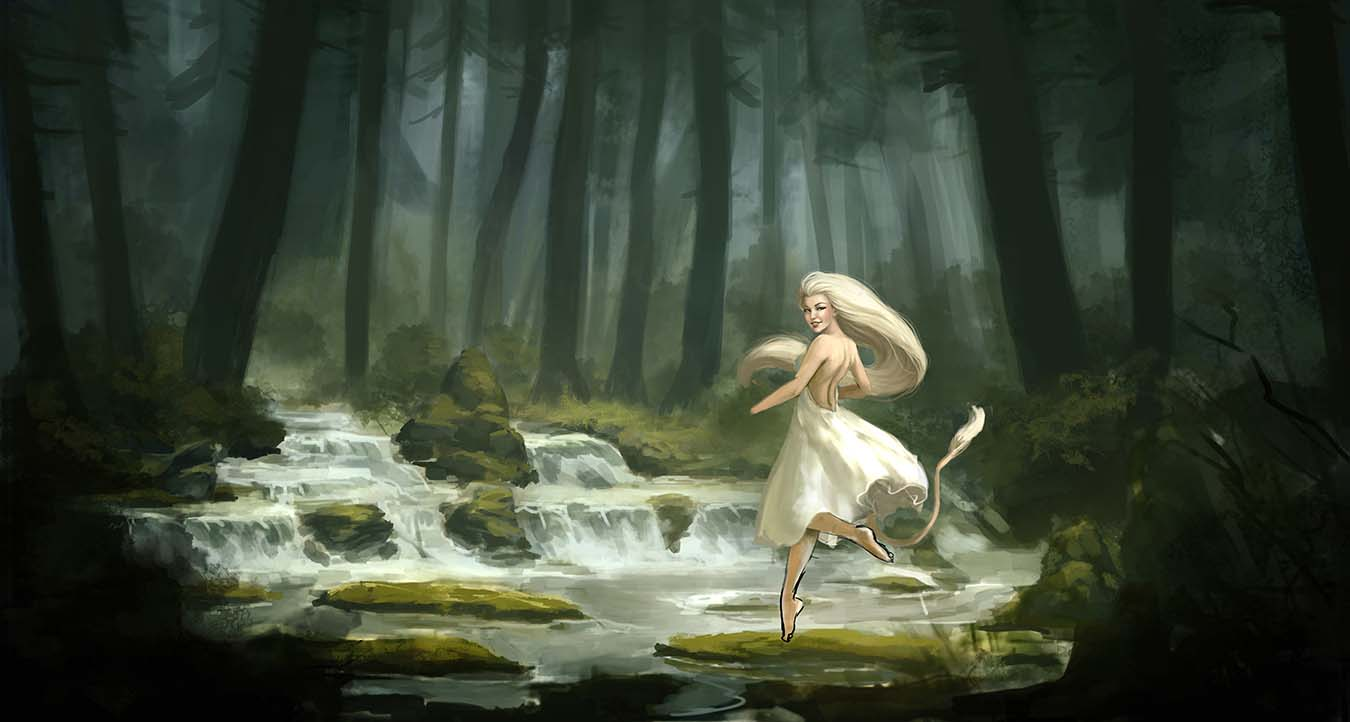
Freya
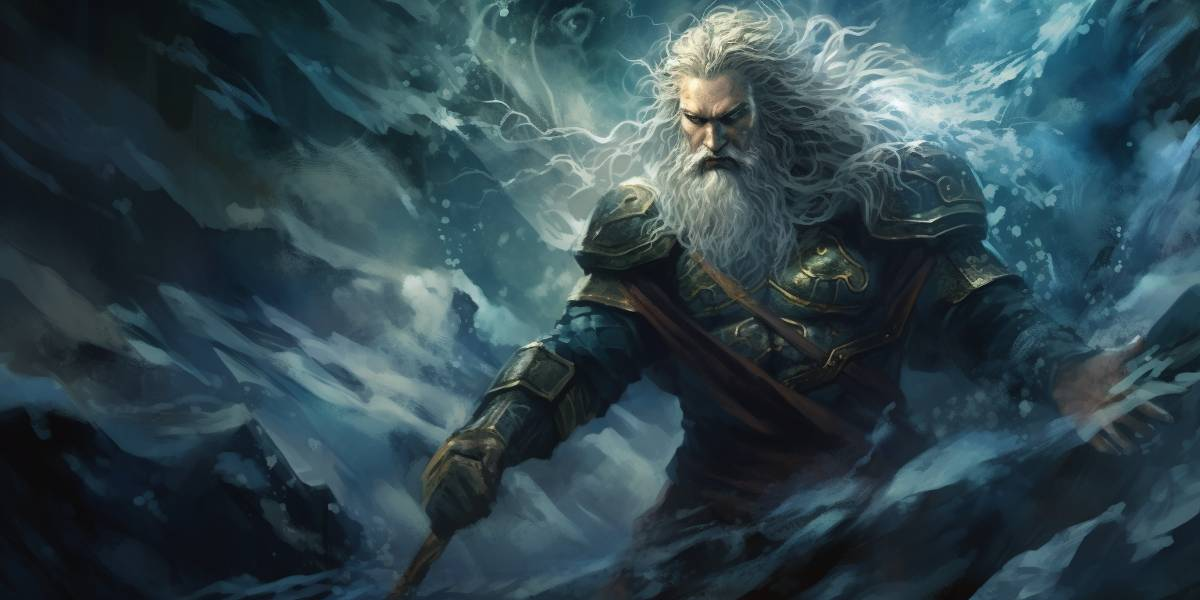
Njord
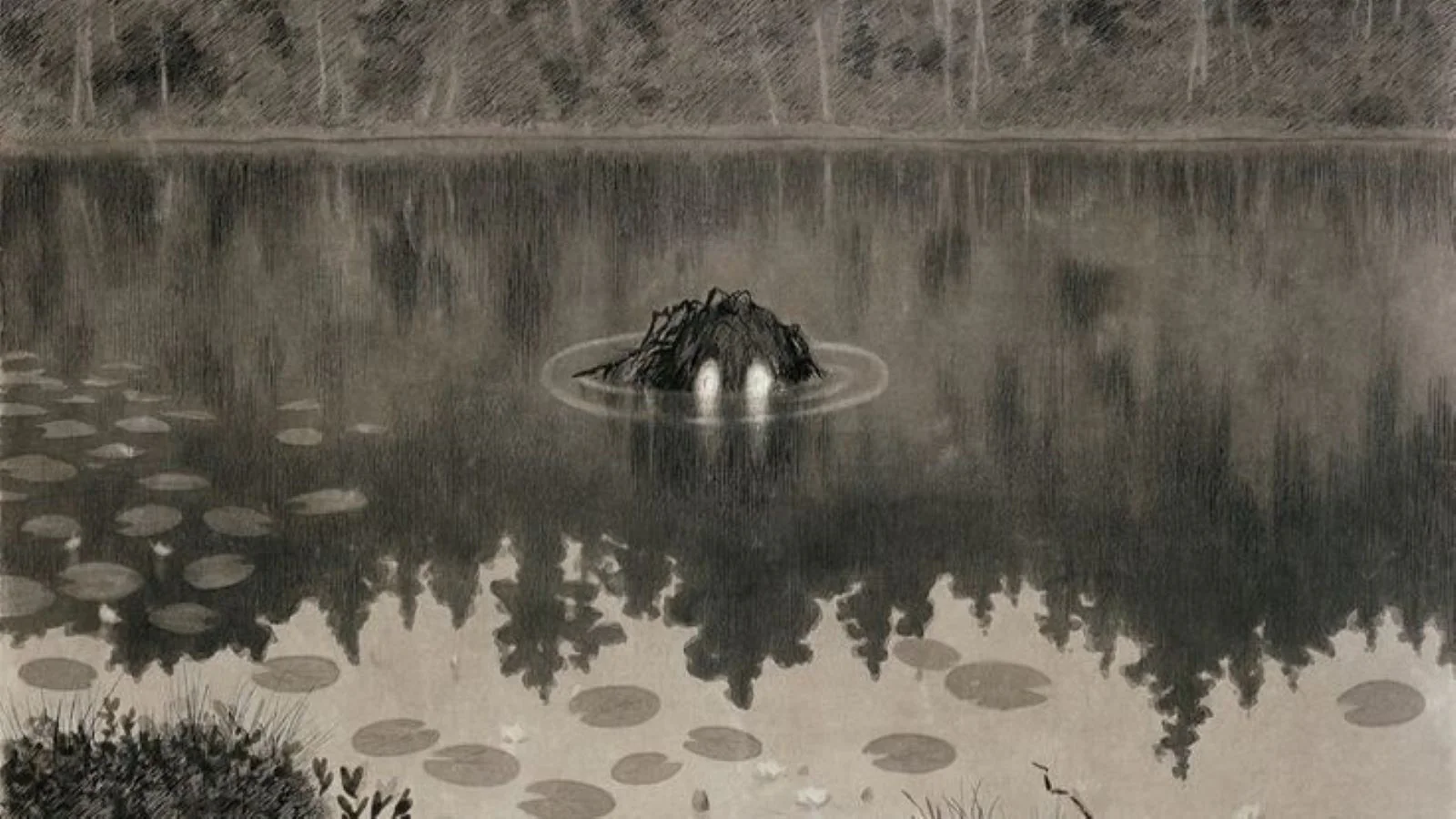
Nokk
Spirits, Hyms, Draugr
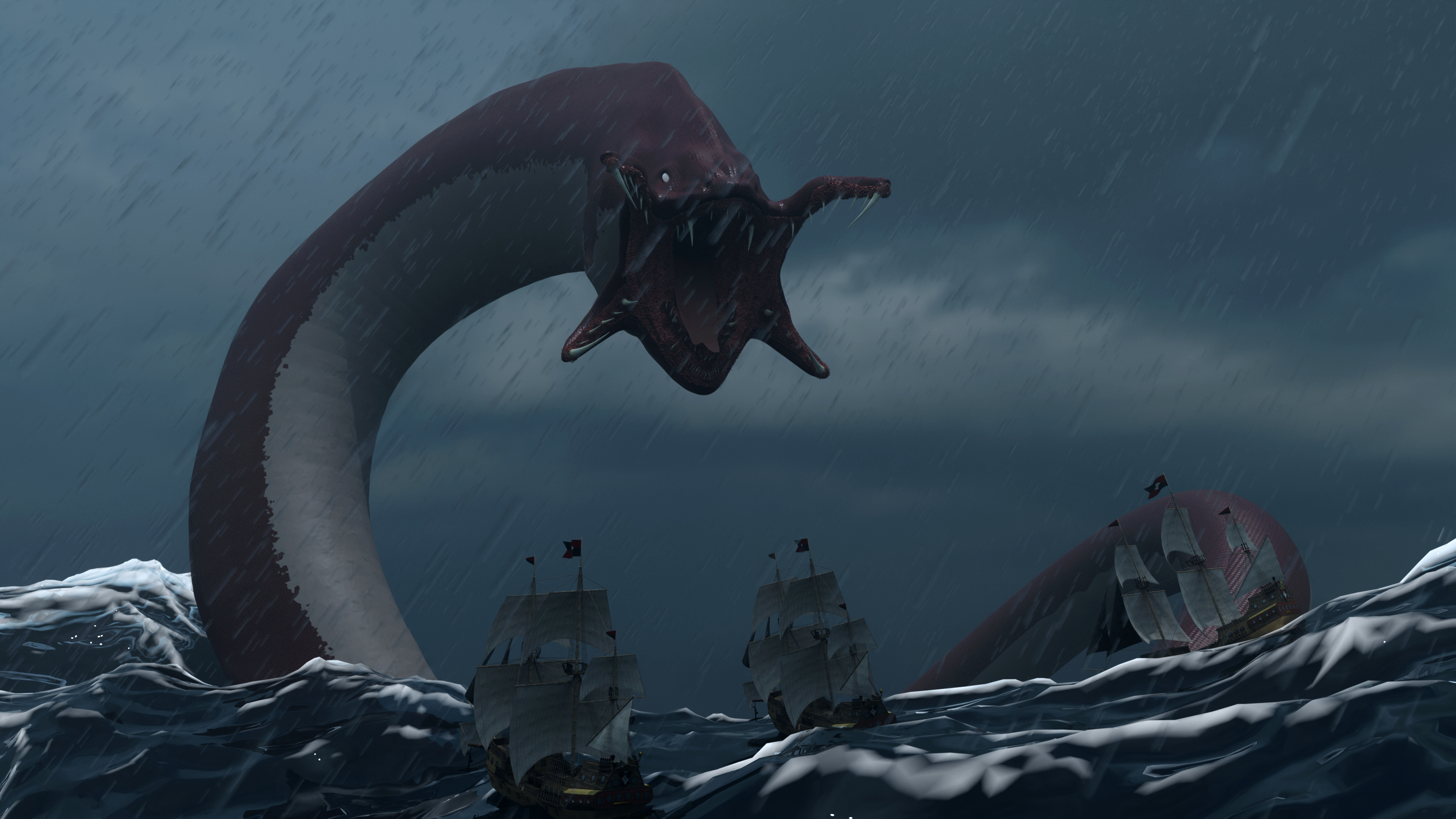
Sea Serpent
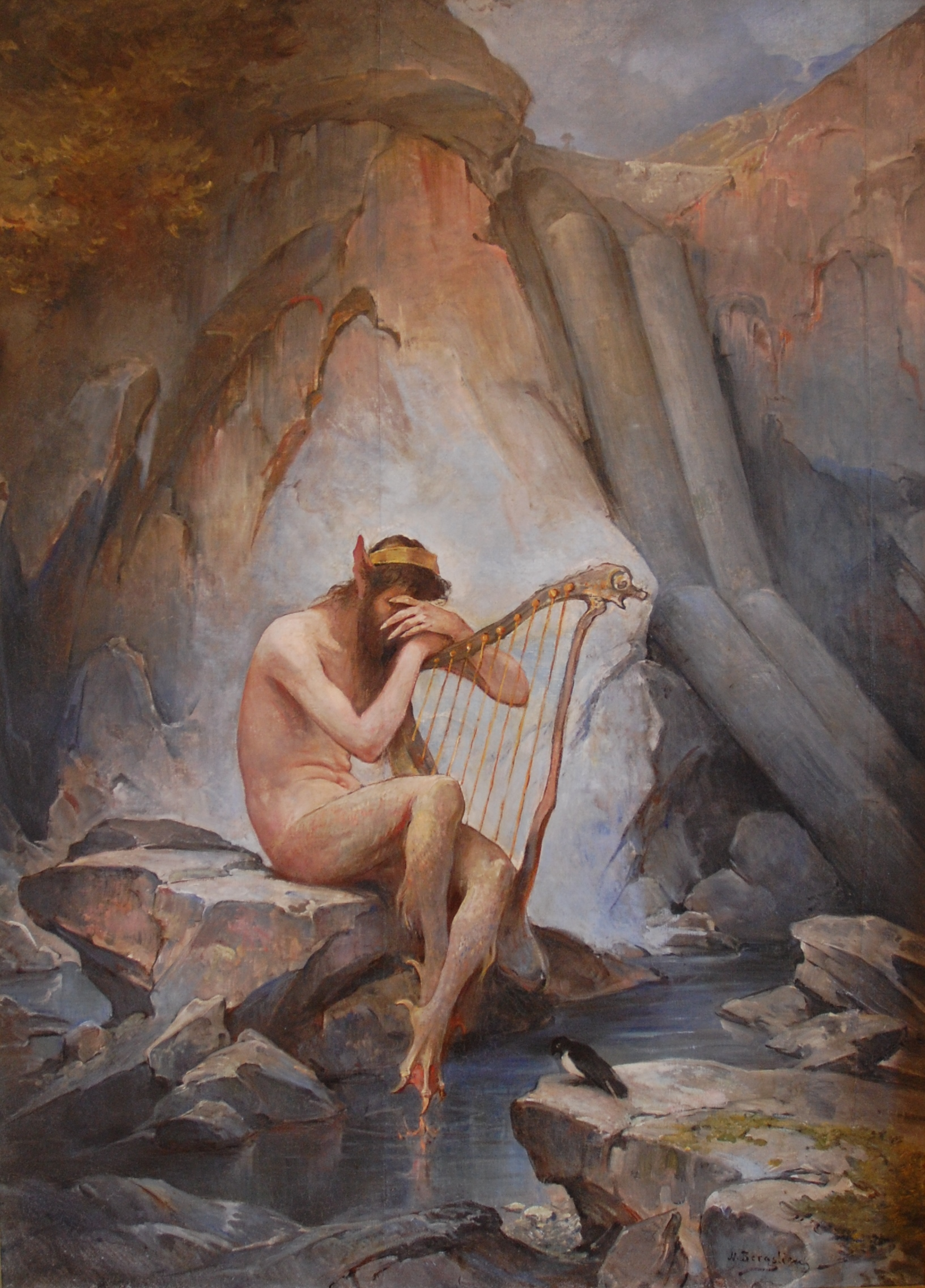
Fossegrimen

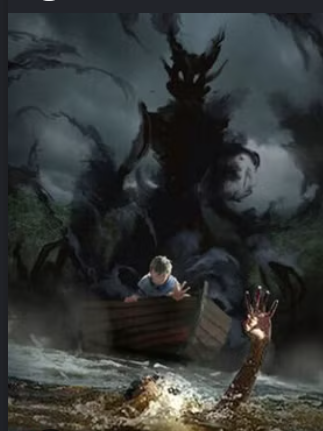
Kraken
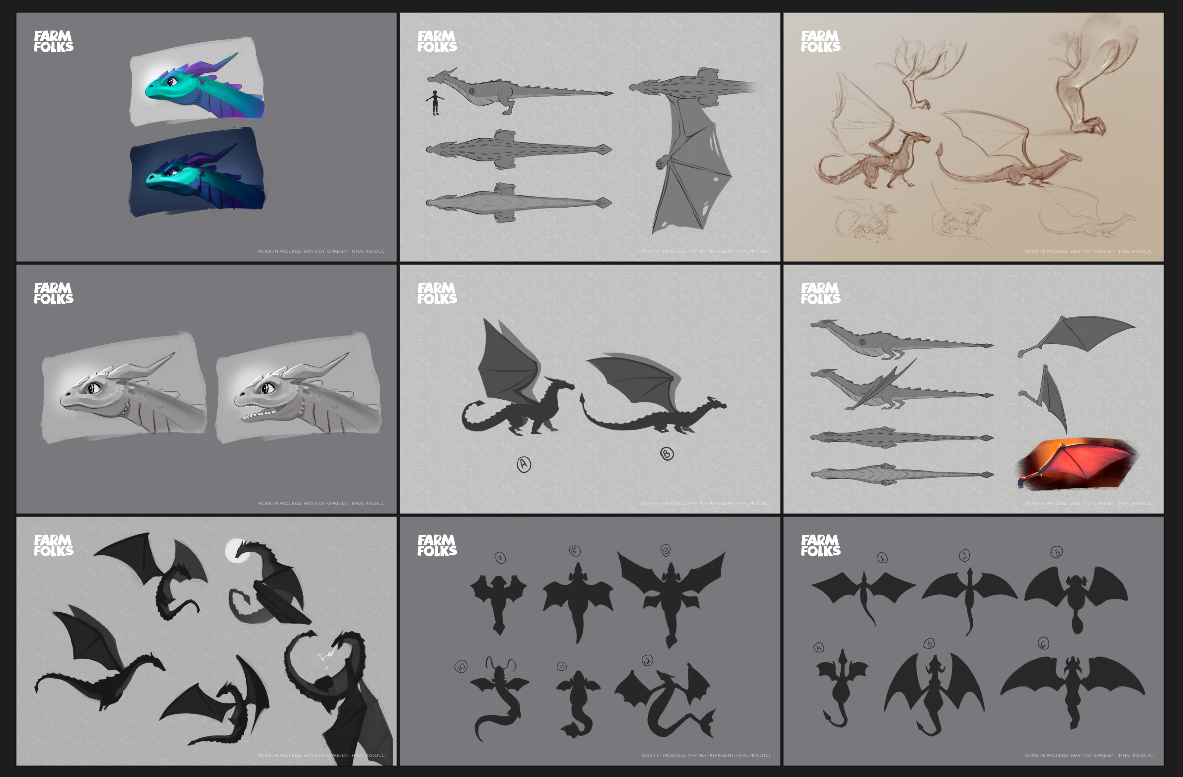
Dragons
Farm
Nature (Foraging)
Industry (Production)
Industry buildings form the economic backbone of a settlement in Thveit. These structures are responsible for production, processing, storage, logistics, trade, and broader settlement management.
While Nature buildings focus on gathering raw resources from the environment, Industry buildings transform those resources into refined materials, infrastructure, wealth, and long-term progression.
Industry districts are intended to feel busy, noisy, and alive - filled with movement, smoke, workers, transportation, and dense visual storytelling.
Core Philosophy
The Industry branch focuses on:
- Resource processing
- Production chains
- Storage and logistics
- Trade and economy
- Workforce management
- Social infrastructure
Industry structures gradually evolve the settlement from a small survival outpost into a thriving Norse-inspired village and trading hub.
The branch is heavily focused on creating a feeling of growth and activity. As settlements expand, industrial areas become denser and more visually complex, with interconnected systems supporting one another.
Industry Structure Types
The Industry branch contains structures related to:
- Wood processing
- Stone processing
- Metalworking
- Resource storage
- Construction and labor
- Trade and docks
- Settlement administration
- Local commerce
- Brewing and food production
- Social gathering spaces
Examples of Industry buildings include:
- Tresmidia
- Stonecutter
- Blacksmith
- Warehouse
- Verksholm
- Tradeholm
- Longhouse
- Market
- Beekeeper Holm
- Bryggholm
- Meadholm
Settlement Role
Industry buildings are essential for:
- Unlocking advanced construction
- Supporting larger populations
- Maintaining economic stability
- Improving resource efficiency
- Expanding trade opportunities
- Increasing settler comfort and morale
Many Industry structures work together through production chains and logistical systems, encouraging players to organize districts efficiently and plan settlement expansion carefully.
Visual Identity
Industry districts in Thveit are intended to feel:
- Dense and handcrafted
- Weathered and functional
- Rich with ambient activity
- Grounded in Norse-inspired architecture
The atmosphere of these areas is reinforced through:
- Animated worker activity
- Transportation of goods
- Smoke, fire, and production VFX
- Heavy environmental audio
- Crowded gathering spaces
- Dynamic day-to-day settlement life
Rather than feeling industrial in a modern sense, these structures are meant to embody a rugged, communal, and living settlement economy shaped by craftsmanship and survival.
Overview
The construction system in Thveit is designed to be intuitive and familiar, allowing players to quickly establish and expand their settlement while emphasizing atmosphere, visual feedback, and immersion.
Building Flow
- The player selects a structure from the Construction Panel in the UI.
- Every structure has a predefined construction cost (for example: 50 Wood, 20 Stone).
- The player places the planned structure into the world.
Once placed:
- The structure enters a construction state.
- Laborers assigned to a Laborer’s Hut are responsible for constructing buildings.
- Laborers gather and transport the required resources to the construction site.
Construction Process
As resources are delivered, construction begins dynamically:
- Scaffolding and temporary construction elements appear around the structure
- Building parts emerge progressively over time
- Construction is represented through smooth animated timelapses rather than abrupt state changes
- Laborers actively work around the construction site during the process
Once completed:
- The structure transitions into its active state
- The player gains access to any relevant interactions, management options, or production functionality tied to that building
Design Philosophy
The core construction loop itself is intentionally straightforward and recognizable — a system players will immediately understand from other city builders and settlement simulators.
What distinguishes Thveit is the presentation:
- Stylized Norse-inspired architecture
- Atmospheric visual effects
- Detailed construction animations
- Rich environmental audio and construction sound effects
- Dense handcrafted textures and props
The goal is to make even simple actions like placing and constructing buildings feel tactile, immersive, and alive.
Homestead (Residence)
Decorations in Thveit are cosmetic and infrastructural objects used to shape the visual identity, atmosphere, and layout of the settlement.
While many decorative objects are primarily aesthetic, some also provide gameplay benefits such as improving settler comfort, navigation, movement flow, and overall settlement organization.
The Decoration branch is intended to help players personalize their villages and create settlements that feel lived-in, organic, and visually cohesive.
Core Philosophy
The Decoration branch focuses on:
- Settlement beautification
- Infrastructure
- Navigation and pathways
- Environmental storytelling
- Comfort and atmosphere
- Organic village layouts
Decorative elements help transform the settlement from a functional survival outpost into a believable Norse-inspired community full of personality and charm.
Roads
Roads help organize settlement layouts and improve movement flow for settlers and transportation.
Different road types may affect:
- Movement speed
- Accessibility
- Settlement aesthetics
- Comfort and organization
Examples include:
- Dirt Path
- Stone Road (TBA)
- Wooden Walkway (TBA)
Bridges
Bridges allow settlers to cross rivers and difficult terrain while connecting different parts of the settlement together.
They also play a major role in the visual composition of villages and exploration routes.
Examples include:
- Wooden Bridge
- Stone Bridge (TBA)
Walls
Aside of roads and bridges, we also allow players to build walls to wrap their settlements in some fortifications. These are currently implemented as aesthetic elements but also affect traversal / walkability for your settlers.
Wall types we would offer:
- Stone wall
- Wood Wall (TBA)
- tbd.
Walls will play an important role in the mid-game as they will serve as a protection against creatures of night and other beasts.
Visual Identity
Decorations in Thveit are intended to feel:
- Cozy
- Handcrafted
- Natural
- Atmospheric
- Deeply integrated into the environment
The goal is to allow players to create settlements that feel unique, believable, and rich with visual storytelling beyond pure gameplay functionality.
City Building
Hudra
USP - Unique Selling Points
Procedural Generation
The world of Thveit is procedurally generated, allowing every playthrough to begin within a unique realm shaped by dynamic terrain, natural landmarks, and environmental variation.
When starting a new game, players are able to:
- Generate a new world/realm
- Select world size
- Name their realm
- Name their settlement
The procedural generation system is designed to create worlds that feel handcrafted, atmospheric, and believable rather than overly random or chaotic.
World Sizes
Players may generate:
- Small worlds
- Medium worlds
- Large worlds
Different world sizes affect:
- Available landmass
- Resource distribution
- Exploration opportunities
- Settlement expansion potential
- Trade and travel distances
Island-Based Worlds
Worlds in Thveit are generated in the form of islands surrounded by ocean and coastline.
These islands feature a variety of natural terrain and environmental landmarks intended to create visually distinct and memorable settlements.
Generated environmental features include:
- Forests
- Tree clusters
- Rock formations
- Bushes and vegetation
- Lakes
- Oceans and coastlines
- Sacred Oak trees
- Resource deposits
- Mountains
- Flowers
- Hills and elevation changes
- Procedurally generated spline-based rivers
The goal is to create worlds that feel organic, natural, and strongly tied to Scandinavian landscapes and folklore.
Terrain & Environmental Generation
Natural objects and terrain features are placed procedurally throughout the world to encourage:
- Organic settlement layouts
- Exploration
- Environmental storytelling
- Strategic placement decisions
Different terrain formations may influence:
- Resource availability
- Farming potential
- Fishing access
- Building efficiency
- Creature spawns
- Mythological encounters
The procedural generation system is intended to balance gameplay functionality with strong visual composition and atmosphere.
Rivers & Water Systems
Thveit features procedurally generated spline-based rivers that flow naturally through terrain and landscapes.
Rivers play a major role in:
- Visual identity of the world
- Settlement planning
- Farming layouts
- Bridge placement
- Exploration routes
- Atmosphere and environmental storytelling
Combined with oceans, lakes, fog, waterfalls, and seasonal changes, water systems are intended to heavily contribute to the cozy and mystical atmosphere of the game.
Other Realms
In addition to the primary playable world, Thveit also procedurally generates other realms and distant settlements that players may interact with through:
- Trade
- Exploration
- Diplomacy
- Mythological systems (TBA)
These external realms are represented differently from the main world, using stylized 2D visuals and custom artwork rather than fully simulated 3D environments.
The purpose of these systems is to make the world feel larger and connected beyond the boundaries of the player’s island while maintaining a strong artistic identity and manageable scope.
Core Philosophy
The procedural generation system in Thveit is intended to:
- Create replayability
- Encourage exploration
- Support emergent storytelling
- Make settlements feel uniquely shaped by their environment
- Reinforce atmosphere and immersion
Rather than generating purely functional maps, the goal is to create worlds that feel peaceful, mystical, lived-in, and worthy of building stories within.
Seasons
Seasons play a major role in the world and atmosphere of Thveit. The game features a fully dynamic seasonal cycle consisting of:
- Spring
- Summer
- Autumn
- Winter
Each season dramatically changes the visual appearance, mood, lighting, vegetation, ambient audio, and overall feeling of the world.
Combined with the day-night cycle, seasons help make the settlement feel alive, constantly evolving, and deeply connected to nature.
Core Philosophy
The seasonal system is designed to:
- Reinforce immersion and atmosphere
- Encourage long-term planning
- Visually transform the settlement over time
- Create emotional attachment to the world
- Support cozy yet unpredictable gameplay
Rather than acting as purely cosmetic changes, seasons subtly influence gameplay, resource management, farming, events, and settler behavior.
Seasonal Identity
Spring
Spring represents renewal and recovery after winter.
Snow begins melting, vegetation slowly returns, rainfall becomes more common, and the settlement feels lively and hopeful again.
The atmosphere is intended to feel soft, fresh, foggy, and full of life returning to the world.
Summer
Summer is the warmest and most productive season.
Crops flourish, forests appear vibrant and dense, settlers spend more time outdoors, and trade and exploration become more active.
Summer is intended to feel bright, cozy, peaceful, and alive with activity.
Autumn
Autumn focuses on preparation and transition.
Leaves change color, winds grow stronger, harvests begin, and settlers prepare resources for the coming winter.
The atmosphere is intended to feel warm, melancholic, and deeply atmospheric with heavy Nordic inspiration.
Winter
Winter is the harshest season in Thveit, though not designed to be overwhelmingly punishing.
Players are encouraged to prepare food, fuel, shelter, and resources ahead of time, but the goal is to create tension and atmosphere rather than extreme survival difficulty.
Winter transforms the world completely:
- Snow accumulates dynamically
- Rivers and terrain visually change
- Frost and ice appear across structures and vegetation
- Ambient audio becomes quieter and colder
- Settlements feel warmer and more isolated against the environment
The contrast between the cold wilderness and the warmth of village life is intended to become one of the game’s strongest atmospheric elements.
Dynamic Snow & Visual Effects
Thveit features dynamic snow systems and heavy use of atmospheric visual effects throughout all seasons.
Examples include:
- Falling snow
- Wind-blown leaves
- Rain and fog
- Snow buildup
- Dynamic lighting changes
- Seasonal foliage transitions
- Environmental particles and ambient VFX
These systems are designed to make the world feel tactile, alive, and emotionally immersive throughout the entire seasonal cycle.
Day-Night Cycle
All seasons fully support a dynamic day-night cycle.
Different times of day drastically alter:
- Lighting
- Color palettes
- Ambient sounds
- Creature behavior
- Settlement atmosphere
Nights are intended to feel cozy, mysterious, and occasionally unsettling - especially during winter or supernatural events tied to the folklore systems.
Warm light spilling from homes, snowfall during nighttime, distant forest sounds, and fog-covered landscapes all contribute heavily to the identity and emotional tone of Thveit.
Atmosphere as a Gameplay Pillar
The seasonal system is not just visual dressing - it is one of the core emotional pillars of the game.
The goal is for players to:
- Feel attached to their settlement across changing seasons
- Experience comfort during harsh winters
- Enjoy the transition between warm and cold periods
- Develop routines around preparation and survival
- Create memorable atmospheric moments naturally through gameplay
The world of Thveit is intended to feel peaceful, mystical, alive, and constantly changing with time.
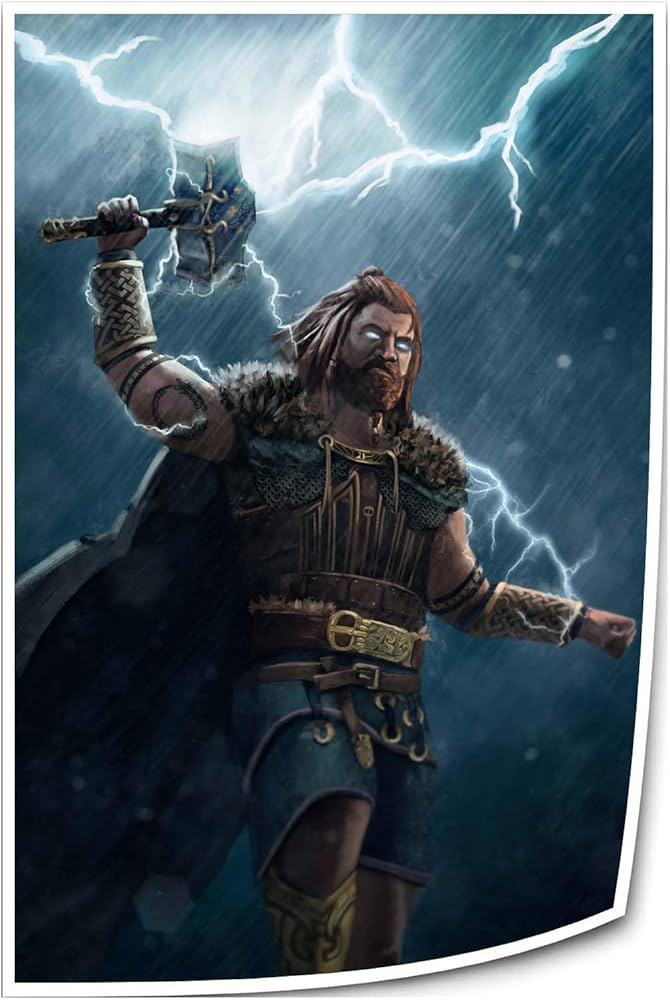
Thor
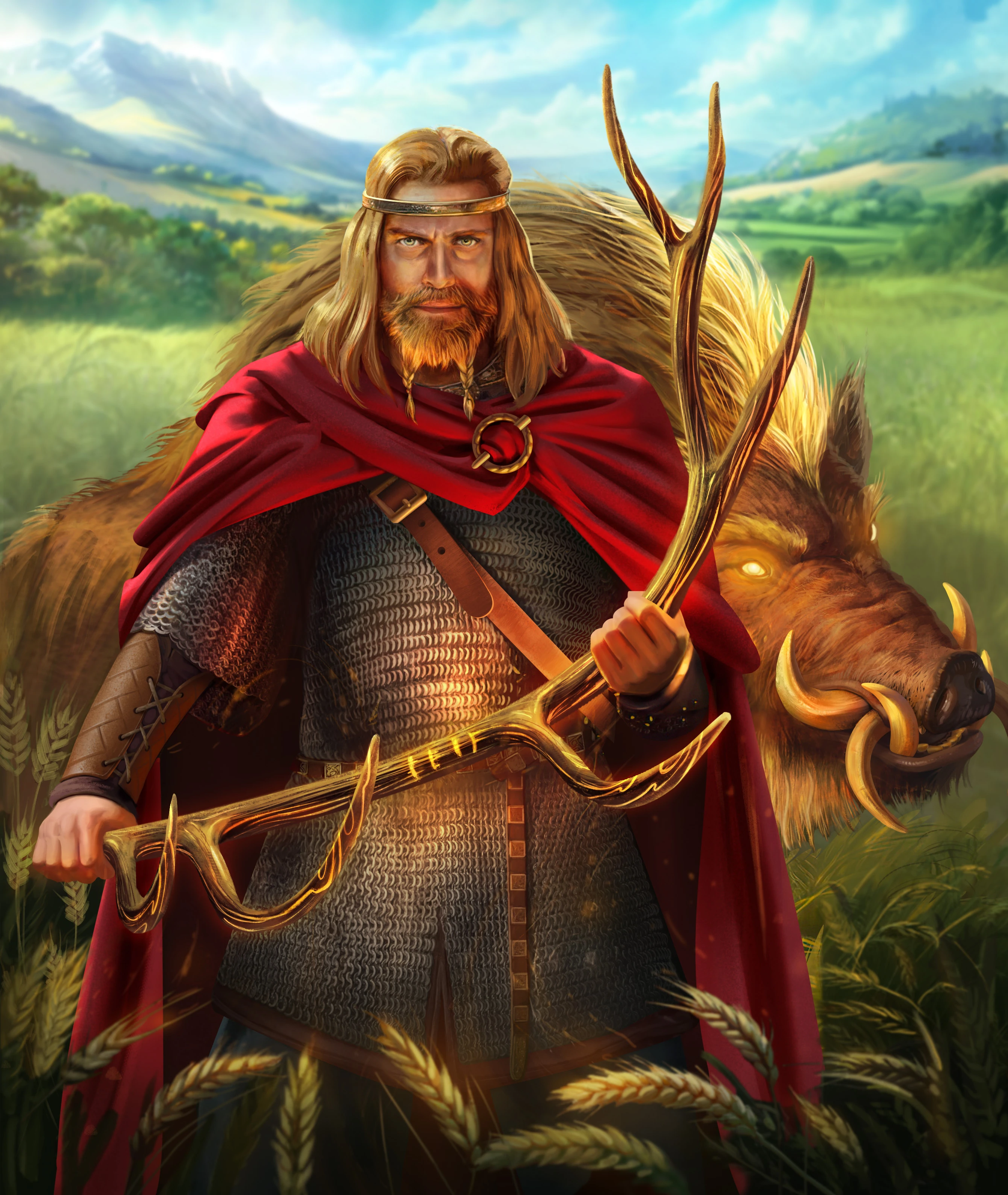
Freyr
Homesteads are residential buildings that provide shelter for settlers. Every settler requires a homestead in order to live and survive within the settlement.
Homesteads are among the first structures the player will place when starting a new world in Thveit. They are designed to feel dense, cozy, and highly detailed, reflecting the stylized Norse-inspired aesthetic of the game.
Currently, the game offers Tier I Homesteads, capable of housing up to 3 settlers and a few cats.
Homesteads serve several critical purposes:
- Provide shelter and warmth
- Allow settlers to rest and recover comfort
- Enable food consumption and survival
- Protect settlers from environmental hazards and seasonal effects
Settlers left without housing become homeless. Homeless settlers are exposed to harsh weather conditions, cannot consume food properly, and will eventually perish if left unsheltered for too long.
Nature buildings in Thveit are structures directly tied to the natural world and its resources. Unlike traditional industrial production chains, these buildings interact closely with the environment itself, forests, coastlines, fertile soil, herbs, stone deposits, and wildlife.
The Nature branch is designed to reinforce the feeling that the settlement exists within a living, untamed world rather than dominating it completely.
Nature buildings often rely on nearby environmental conditions and terrain in order to function efficiently. Their placement is therefore heavily influenced by the surrounding landscape.
Core Philosophy
Nature structures focus on:
- Resource gathering
- Terrain interaction
- Environmental dependence
- Organic settlement expansion
- Atmospheric worldbuilding
Rather than creating fully artificial production chains, these buildings work alongside the world itself and encourage players to adapt to the environment around them.
Natural resources and environmental objects include:
- Trees
- Rocks
- Bushes
- Mushrooms
- Fertile soil
- Oceans and coastlines
Nature Structures
Herbsholm
A small herbalist lodge focused on herbs, berries, and natural remedies.
Herbsholm allows players to cultivate nearby bushes and maintain a small herbal garden around the structure. Workers gather herbs and berries used for food, medicine, rituals, or future crafting systems.
The building is intended to feel cozy, overgrown, and deeply connected to the surrounding wilderness.
Gameplay Purpose
- Produces herbs and berries
- Supports future healing and alchemy systems
- Encourages placement near fertile terrain and vegetation
Woodholm
A traditional forester’s lodge responsible for gathering wood from nearby forests.
Workers assigned to Woodholm venture into surrounding woodland areas to cut down trees and transport logs back to the settlement.
Woodholm serves as one of the foundational resource buildings in the early stages of settlement growth.
Gameplay Purpose
- Produces wood
- Detects and utilizes nearby forests
- Supports construction and fuel production
Fishstrond
A coastal fishing hut used for harvesting fish from oceans and coastal waters.
Fishers depart from Fishstrond throughout the day using small boats or shoreline equipment depending on the terrain and water access.
The structure is designed to feel weathered, practical, and integrated into the coastline.
Gameplay Purpose
- Produces fish
- Requires shoreline or ocean access
- Provides reliable food production year-round
Stoneholm
A quarry-like structure used for extracting stone from nearby deposits.
Stoneholm detects natural stone formations and dispatches workers to mine and transport stone back to the settlement for construction and industry.
Unlike traditional mines, Stoneholm is intended to feel rugged and grounded in the landscape rather than overly industrialized.
Gameplay Purpose
- Produces stone
- Requires nearby stone deposits
- Supports construction and advanced production buildings
Environmental Interaction
Many Nature buildings depend heavily on their surroundings:
- Forest density affects Woodholm efficiency
- Coastline access determines Fishstrond placement
- Nearby deposits influence Stoneholm productivity
This creates a more organic settlement-building experience where players adapt to the world instead of flattening or reshaping it entirely.
The Nature branch is intended to make exploration, terrain reading, and environmental planning a major part of gameplay.
What makes Thveit distinct from other city builders is not any single feature - it is the combination of systems working together to create something that feels alive, atmospheric, personal, and deeply rooted in Norse mythology and folklore. This page captures the strongest and most unique pillars of the game.
The heart of Thveit is simple: mythology is not background flavor. It lives alongside you.
Summary Table
| # | Pillar | What Makes It Unique |
|---|---|---|
| 1 | Living Mythology & Folklore | The central pillar - gods, beasts, and spirits are active parts of your settlement’s story |
| 2 | Folklore Creatures as Companions | Trolls, dragons, and spirits have personalities and lives within your world |
| 3 | Dragon Enclosures & Companionship | Raise dragons from eggs, build their home, and grow them into settlement guardians |
| 4 | Troll Relationships | Trolls wander from forests, make requests, and may settle near your walls |
| 5 | Patron God System | Your chosen deity reshapes quests, events, and risks across the entire playthrough |
| 6 | Divine Physical Manifestation | Gods can literally appear and live within your settlement as a late-game milestone |
| 7 | Faith as Risk and Reward | Worship is a living relationship - neglect it and the gods punish you |
| 8 | Cozy Meets Supernatural | A warm city builder that turns genuinely unsettling after dark |
| 9 | Storybook Norse Identity | Feels like an old Nordic tale, not a historical simulation |
| 10 | Dynamic Seasonal System | Four seasons transform the world visually, emotionally, and mechanically |
| 11 | Atmosphere as a Core Pillar | The contrast between warm village life and cold wilderness is a designed emotion |
| 12 | Settlement Specialization & Reputation | Your settlement earns a name in the world based on what it produces |
| 13 | Resources as Visual Identity | Production physically shapes how your settlement looks and feels |
| 14 | Non-Combat Exploration | Voyages driven by wonder, trade, and mythology - not conquest |
| 15 | Procedural Worlds that Feel Handcrafted | Islands with rivers, sacred oaks, and terrain that influences story |
1. Living Mythology & Folklore
This is the central pillar of Thveit.
Most Norse-themed games treat mythology as decoration - names on loading screens, symbols on shields, background art. In Thveit, mythology is a living system that runs through every part of the game.
Gods observe your settlement and respond to your actions. Beasts wander from forests and approach your gates. Spirits haunt rivers, fields, and the edges of the world. Ancient creatures are not events to survive - they are presences to understand, respect, and build a life alongside.
The Norse myths are not something that happened long ago. In Thveit, they are happening now, in your settlement, in this season, tonight.
This is what separates Thveit from every other city builder.
2. Folklore Creatures as Companions and Characters
Creatures in Thveit are not enemies. They are not obstacles. They are characters drawn directly from Norse and Scandinavian folklore, each with their own behavior, personality, and role in the world.
| Creature | Nature | Possible Role in Settlement |
|---|---|---|
| Trolls | Powerful, whimsical, unpredictable | Approach with requests, may settle near walls and protect farms |
| Dragons | Ancient, mythical, loyal | Raised from eggs, grow into settlement guardians |
| Draugr | Restless dead, tied to burial and neglect | Wander graves at night, haunt the settlement if angered |
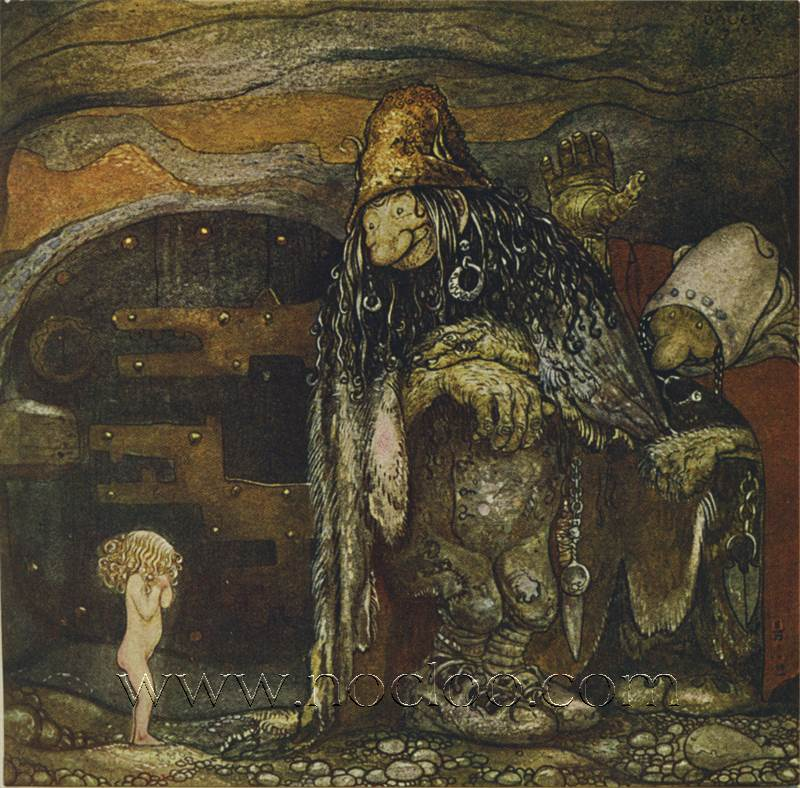
| Fossegrimen | Musical river spirit | Rewards offerings, causes settlers to dance |
| Nokk | Water spirit of lakes and rivers | Haunts waterways, lures settlers if disturbed |
| Mare Spirits | Dream spirits | Cause settlers to sleepwalk during night events |
| Huldra | Forest spirit, mysterious | May lure settlers into the woods |
| Ravens of Odin | Divine messengers | Appear as omens, carry warnings from the All-Father |
| Sea Serpents | Tied to Njord’s wrath | Threaten ships and docks during divine punishment |
| Kraken | Mythological sea terror | Rare, catastrophic, tied to the deepest divine failures |
None of these creatures exist simply to be defeated. Each one adds a layer of story, behavior, and mythology to the world.
3. Dragon Enclosures & Companionship
Dragons are one of the most unique systems in Thveit - and one of the most emotionally distinct features in the city builder genre.
Dragons are not mounts. They are not weapons. They are not boss encounters.
They are members of your settlement.
The system works as follows:
- Dragon eggs are discovered through exploration - found in distant realms, ancient ruins, or mythological encounters at sea
- Eggs must be returned to the settlement and housed in a dedicated structure - a Dragon Enclosure, built specifically to shelter and nurture the hatchling
- As the dragon grows, it requires care, feeding, and a suitable home that expands alongside it
- Players may build Dragon Sanctuaries, enclosures, and dedicated grounds designed around the creature’s needs and personality
- A mature dragon becomes emotionally tied to the settlement - it protects settlers, participates in events, and aids during supernatural crises
The dragon enclosure is not just a building - it is a long-term commitment. A living space for a mythological creature that grows up alongside your settlement.
This system creates one of the most memorable long-term goals in Thveit: raising something ancient, making it feel at home, and watching it become part of the world you built.
4. Troll Relationships
Trolls wander from the forests and approach your settlement unprompted. They are not attacking. They have a request.
Maybe they want a bouquet of flowers. Maybe a specific meal. Maybe something stranger.
How you respond determines the relationship:
- Help the troll - it may stay. Sleep near a farm. Rest against your walls. Protect your settlers from hostile creatures.
- Ignore or fail it - it may take something. Damage crops. Carry a settler into the woods.
Trolls are intended to feel like long-term companions - creatures with their own personalities that gradually become part of your settlement’s story. A troll that has lived near your gate for three winters is not background atmosphere. It is a character.
5. Patron God System
Players choose which Norse deity their settlement worships by constructing dedicated faith structures - altars, shrines, temples, sacred groves.
This choice reshapes the entire playthrough:
- Odin - wisdom, ravens as divine scouts, rune quests, sacrifice and consequence
- Thor - storms, protection, strength trials, construction blessings
- Freyr - fertile land, harvest blessings, sunlit seasons, farmland curses
- Freya - settler happiness, seidr magic, cats, draugr punishment, battle protection
- Njord - fishing, trade winds, exploration blessings, sea serpent punishment
Each god provides unique questlines, rituals, blessings, and punishments tied directly to their domain. Worshipping Odin vs Njord creates fundamentally different settlements, risks, and stories.
6. Divine Physical Manifestation
The highest progression milestone in the Faith system - and one of the most dramatic moments in the game.
If players complete all major questlines, maintain strong favour, and dedicate sufficient sacred space, their patron god may physically manifest within the settlement itself.
Building a sacred home for a living deity - a temple, a garden, a ceremonial domain - becomes a late-game goal that is rare, mythical, and deeply impactful both visually and mechanically.
7. Faith as Risk and Reward
The Faith system is not a passive buff tree or a talent menu. It is a relationship with a living entity that observes, judges, and responds.
Neglect your god and harvests fail. Fail a sacred quest and ships sink. Disrespect the dead and your fallen settlers return as draugr. The gods give - but they also take.
This makes faith one of the highest-stakes systems in the game. Players who invest deeply in worship gain enormous advantages. Players who neglect it face consequences that feel mythologically appropriate.
8. Cozy Meets Supernatural
Thveit is a cozy game. The warmth of a growing settlement, the rhythm of daily life, the comfort of preparing for winter.
It is also genuinely unsettling after dark.
Creatures lurk at the treeline. Spirits haunt isolated structures. Draugr wander during cursed nights. The gods are watching and they are not always satisfied. This tension - between warmth and the unknown just beyond the firelight - is not a contradiction. It is Thveit’s strongest identity.
No other city builder puts you in a world that is this peaceful and this alive with something ancient at the same time.
9. Storybook Norse Identity
Thveit is not a historical Norse simulation. It is a storybook.
The world is meant to feel like a tale told beside a fire during winter - warm, mysterious, slightly unreal. Mythology and daily settler life exist side by side without explanation. Players never fully know what is truth and what is superstition. Whether the gods are really watching. Whether the creature at the treeline is friendly or not.
This emotional identity is what separates Thveit from every Viking-themed game that came before it.
10. Dynamic Seasonal System
Four full seasons - Spring, Summer, Autumn, Winter - each dramatically transform:
- The visual appearance and lighting of the entire world
- Ambient audio and environmental atmosphere
- Resource availability and farming output
- Settler behavior and comfort needs
- Event frequency and creature activity
Snow accumulates dynamically. Rivers change. The world freezes. Then thaws. The settlement feels lived-in across time, and each season carries its own emotional weight.
11. Atmosphere as a Core Pillar
The contrast between the warmth of village life and the cold, mysterious wilderness surrounding it is a designed emotional experience.
Warm light from homes during a snowstorm. Fog rolling in from the forest at night. Settlers moving through autumn leaves. These moments are built intentionally into every system, not produced by accident.
Atmosphere in Thveit is not the result of good art. It is a gameplay pillar.
12. Settlement Specialization & Reputation
Settlements naturally develop a reputation based on what they produce and how they engage with the wider world.
- “Your settlement is known for its fine lavender.”
- “Travelers seek your renowned mead.”
- “Your fertile lands produce exceptional barley.”
Reputation influences trade prices, incoming traders, diplomatic relationships, and the visual identity of the settlement itself. No two settlements end up the same character in the world.
13. Resources as Visual Identity
Production physically shapes the appearance of the settlement. Stacked wood piles, hanging fish, grain sacks, mead barrels, drying herbs, lavender fields, flour dust in bakeries.
Resources are not numbers in a menu - they are visible, tangible, and woven into the world. The settlement looks like what it produces.
14. Non-Combat Exploration
Exploration in Thveit is driven by curiosity, trade, and mythology - not war or conquest.
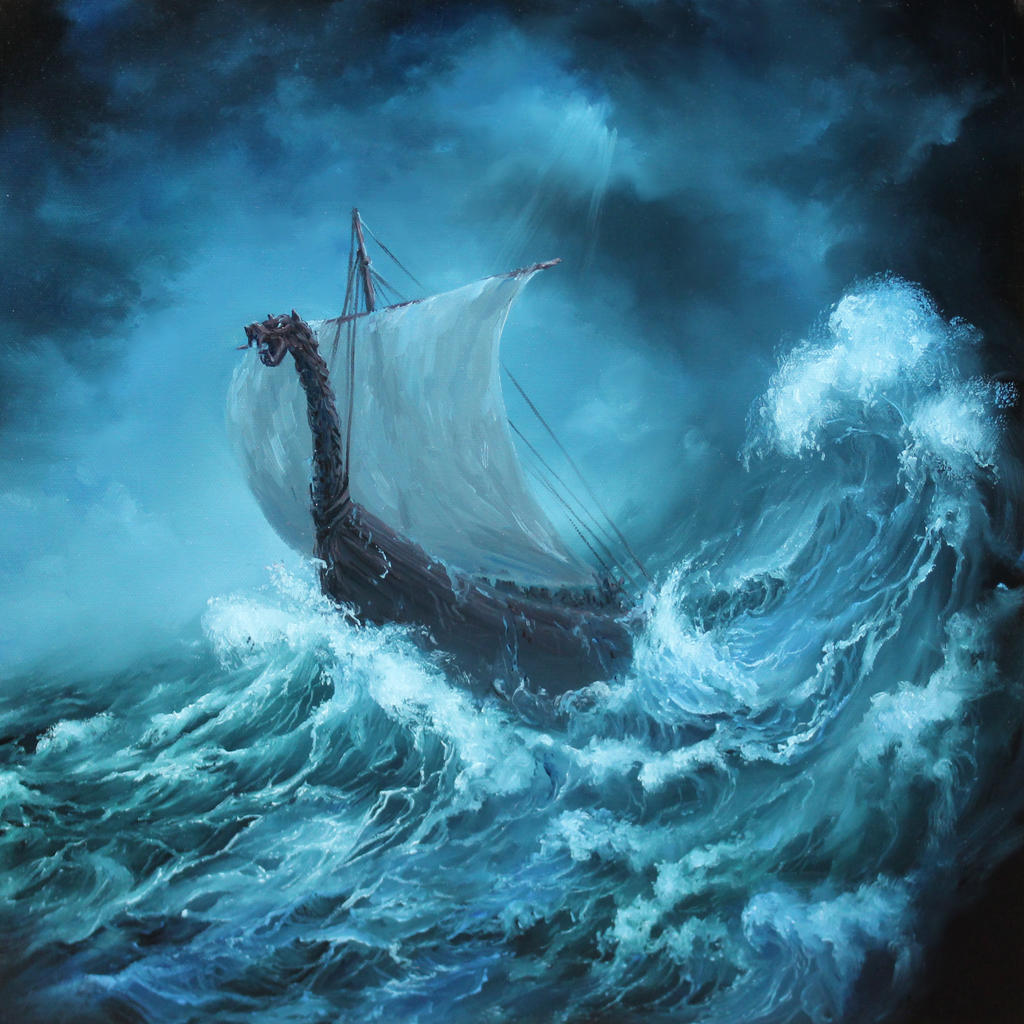
Longboats are built and crewed by your own settlers. You watch them sail away. You wait for them to return. The fog of war lifts slowly as distant realms are discovered through trade, rumor, and voyages. Diplomacy is built through generosity and reliability - not force.
15. Procedural Worlds that Feel Handcrafted
Island-based worlds generated with spline-based rivers, sacred oak trees, rock formations, forests, mountains, lakes, and coastlines.
Terrain directly influences where you build, where you farm, where creatures appear, and where mythological encounters occur. Every world shapes a different story - but none feel randomly assembled.
Odin
Norse Old Gods
The Norse gods are not distant figures in Thveit - they are active, watchful, and deeply woven into the lives of your settlers. Each deity governs different aspects of the world and settlement, offering blessings to those who honor them faithfully and punishment to those who neglect or defy them.
Players choose which god their settlement worships through the Faith system. This choice shapes the culture, events, quests, and supernatural forces that define a playthrough.
Odin
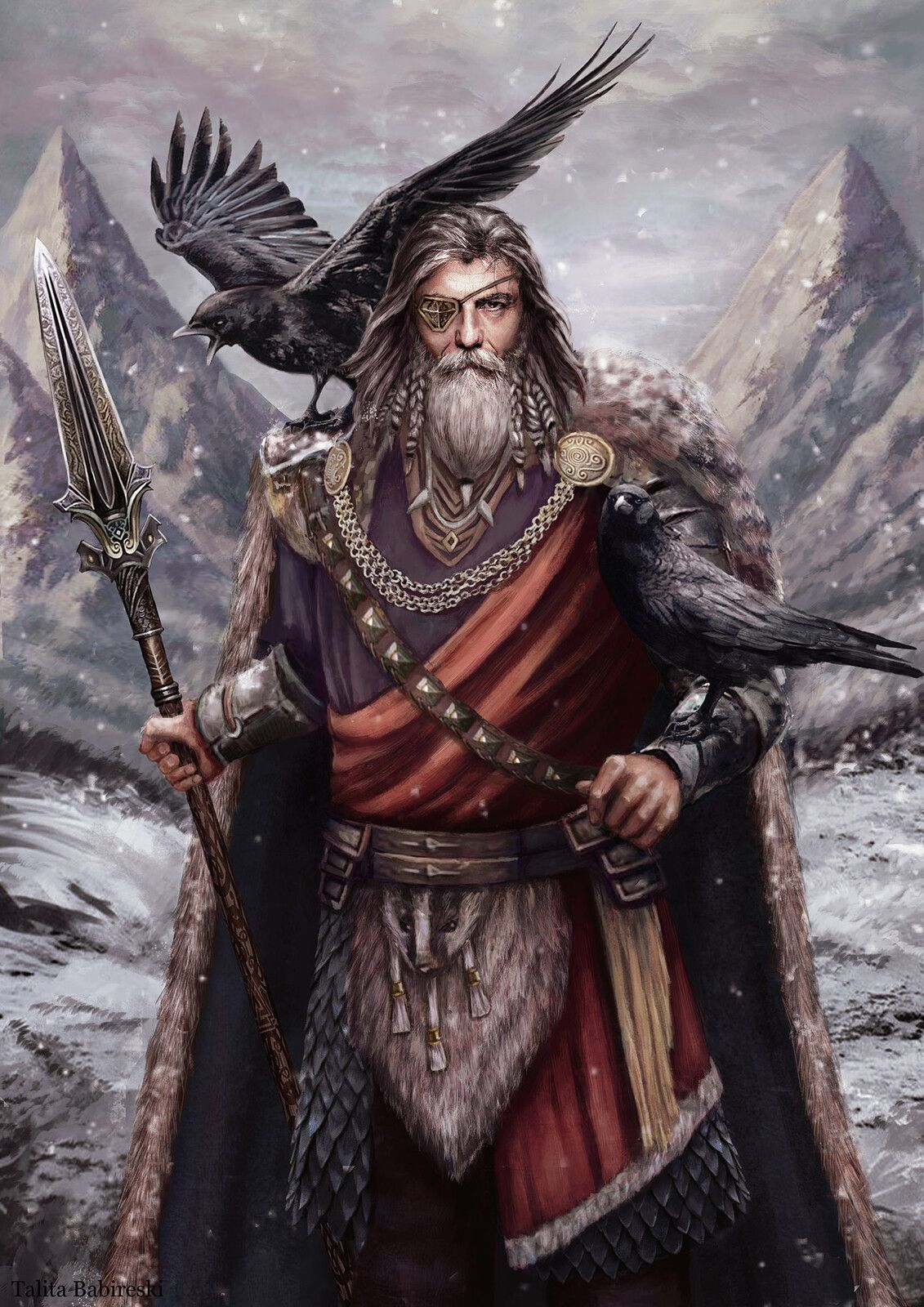
The All-Father. God of wisdom, war, death, and the mysteries of the cosmos. Odin wanders the world in disguise, watching settlements and testing their people. He sacrificed an eye for knowledge and hung himself from Yggdrasil for nine days to claim the runes - wisdom always comes at a price.
His ravens, Huginn and Muninn (Thought and Memory), fly across the world and return with whispers of all that happens beneath them.
Thveit - Possible Ideas
- Ravens as divine scouts - Odin sends his ravens to observe the settlement. Players who maintain favour may receive advance warnings of coming events, storms, or creature appearances as omens.
- Rune knowledge quests - Odin offers rare quests tied to ancient rune stones hidden across the world. Discovering and deciphering them unlocks unique boons or permanent settlement bonuses.
- Sacrifice of comfort - Odin’s worship may require meaningful sacrifices: gold, resources, or even settler time and morale. The rewards are great, but nothing comes without cost.
- Divine wanderer event - Odin may appear in disguise as a traveling stranger at the settlement gate, offering a choice or a riddle. The player’s decision determines whether blessing or consequence follows.
- Death and memory - Fallen settlers who served Odin faithfully may leave behind ghostly echoes, not hostile draugr, but quiet presences that linger near places they loved.
Thor

The Thunderer. God of storms, strength, and the protection of mankind. Thor is the most beloved of the Norse gods among common people - a warrior who fights not for glory but to keep the world safe from chaos and destruction. Where Odin seeks wisdom, Thor acts. Mjolnir, his hammer, is both a weapon and a symbol of protection over hearth and home.
Thveit - Possible Ideas
- Storm blessings and lightning events - Settlements devoted to Thor may experience powerful storms that charge the land, bringing heavy rain that benefits crops and rivers but tests the resilience of structures.
- Protection aura - Thor’s favour grants settlers increased resilience during creature attacks and supernatural events. Walls and structures may feel slightly sturdier under his watch.
- Mjolnir blessing on construction - Faith quests for Thor could involve communal construction efforts, symbolising the strength of working together. Completing them may speed up future building projects.
- Thunderblessing harvest - Thor influences rain and weather, meaning his worshippers may see better seasonal yields during rain-heavy periods.
- Trial of strength events - Thor may challenge the settlement through endurance events - prolonged storms, waves of hostile creatures, or resource shortages - that, if survived, reward the settlement with significant boons.
Freyr

God of fertility, sunshine, and prosperity. Freyr rules over Alfheim and is associated with fair weather, abundant harvests, and the natural cycle of growth. He is a peaceful god of plenty, but his wrath is tied directly to the land - neglect him, and the earth itself turns against you.
Thveit - Possible Ideas
- Harvest blessings - Freyr’s favour directly improves farm output. Fields grow faster, yields are higher, and seasonal transitions feel gentler for settlements under his protection.
- Sunlit seasons - Freyr can extend the warmth of summer or ease the transition into autumn, giving settlers more time to prepare before winter arrives.
- Farmland curse - Neglecting Freyr or failing his quests causes crops to wither, soil to dry, and food supplies to dwindle. His punishment is quiet but devastating.
- Golden boar companion - A mythological companion inspired by Gullinbursti, Freyr’s legendary boar, may appear as a rare settlement guardian tied to fertile land and food security.
- Fertility festivals - Seasonal ceremonies honouring Freyr could improve settler morale and comfort during midsummer events, with communal celebrations that strengthen cultural identity.
Freya

Goddess of love, beauty, magic, and war. Freya is one of the most powerful of all the Norse gods - a practitioner of seidr magic, a fierce warrior, and the one who chooses half of those fallen in battle to reside in her hall, Fólkvangr. She weeps tears of gold and is deeply connected to both life and death, joy and grief.
Thveit - Possible Ideas
- Settler happiness and love events - Freya’s influence improves settler emotional wellbeing, morale, and may trigger romantic events between settlers that shape households and family life within the settlement.
- This is given if we go into that direction of having families, marriage and children systems. This is more granular, but a good idea.
- Seidr magic events - Freya can gift the settlement with moments of magical insight, foresight events that allow the player to glimpse what is coming before it arrives.
- Draugr connection - Failing Freya or dishonouring the dead may cause her to send fallen settlers back as draugr, haunting the settlement during night hours as a consequence.
- Battle blessing - For settlements that see conflict through creature attacks or divine punishments, Freya’s favour may provide a protective aura over defenders during dangerous events.
- Sacred cats - Freya’s chariot is pulled by two large cats. A rare companion or decorative presence in the settlement, tied to her worship, could serve as a soft symbol of her protection over the homestead.
- Settlement Cats - Cats from player’s own settlement can play a vital role which can give Freya her needed favor. Eg. players can work on getting more cats into their world (trading, accepting new arrivals) and building cat related objects/structures (Cat Sanctuary, Cat hub, cat beds as decos etc). Aiding your own cats helps bring favor of Freya to a higher level.
Njord

God of the sea, wind, fishing, and seafaring wealth. Njord governs the shores, the tides, and the bounty of the ocean. Sailors and fishermen pray to him for safe passage and full nets. He is a god of abundance when respected, and terrifying when angered, sending storms and sea monsters to punish those who take the ocean for granted.
Thveit - Possible Ideas
- Fishing and coastal bonuses - Njord’s worship improves fish yields, coastal resource gathering, and the general productivity of any water-adjacent structures.
- Favourable winds for exploration - Longboats launched under Njord’s blessing may travel faster, face fewer dangers at sea, and return with better trade goods from distant shores.
- Sea serpent and Kraken punishment - Dishonouring Njord is among the most dangerous divine failures. He may summon sea serpents or kraken-like creatures to attack ships, destroy docks, and cut off trade routes entirely.
- Storm events - Njord controls the wind and weather at sea. Extreme storms can batter coastal settlements, flood low-lying structures, and disrupt resource lines if his favour runs low.
- Trade reputation blessing - Settlements deeply favoured by Njord may gain a passive reputation bonus with distant trading peoples, as seafarers and merchants speak well of those who honour the sea.
One of the core pillars of Thveit is its integration of Norse folklore, mythology, supernatural creatures, and fairy tale-like storytelling.
Rather than functioning purely as a historical city builder, We aim to create a world where mythology feels alive - where gods observe settlements, creatures wander the forests, spirits roam during the night, and ancient beings coexist alongside everyday village life.
The goal is to make the settlement feel like part of an old Nordic tale told beside a fire during winter.
Core Philosophy
The folklore system in Thveit is intended to:
- Create memorable emergent stories
- Add warmth, mystery, and unpredictability
- Blend cozy settlement building with supernatural folklore
- Encourage emotional attachment to the world
- Make mythology a living gameplay system rather than “background” lore
These systems are designed to become one of the game’s main identity pillars and strongest unique features.
Gods & Deities
The Norse gods actively influence the world and settlement through worship, quests, blessings, punishments, supernatural events, and physical manifestations. This is also covered in Faith Building section.
Players may choose to worship specific gods such as:
- Odin
- Thor
- Freya
- Freyr
- Njord
- Additional deities over time
For a full breakdown of each god and their possible influence on Thveit, see Norse Old Gods.
Gods may reward settlements with:
- Prosperity
- Reputation
- Resources
- Protection
- Environmental blessings
Or punish them through:
- Storms
- Failed harvests
- Sea monsters
- Curses
- Supernatural events
In late game cases, gods will physically manifest within the settlement itself if players maintain strong favor and complete major questlines.
Mythological Creatures
Trolls
Trolls are intended to feel strange, whimsical, unpredictable, and occasionally intimidating - but not purely evil.
Trolls may randomly emerge from forests and approach the settlement with small requests or quests for the player.
Examples include:
- Creating a bouquet for a troll
- Preparing meals
- Offering gifts
- Completing odd tasks or rituals
Successfully helping a troll may result in:
- The troll staying near the settlement
- Troll sleeping near a farm, or your walls
- Protection against hostile creatures
- Assistance near farms or forests
- Unique atmospheric interactions
Failed interactions may cause smaller consequences such as:
- Damaged crops
- Stolen resources
- Might physically steal your settlers and carry them off into the woods
Trolls are not intended to be simple enemies. They are closer to powerful creatures of folklore with their own personalities and behaviors. They are also intended to stay near a player, with a player, throughout their gameplay, aid where needed and add to the depth of the world.
Draugrs
Draugrs are undead spirits connected to death, burial grounds, and forgotten souls.
They may appear:
- During supernatural events
- As consequences of failed divine quests
- Near graveyards and sacred places
- During harsh winters or cursed nights
Some Draugrs may become hostile, while others simply wander the world silently.
Dead settlers may occasionally return as passive spirits or ghostly figures that quietly roam through the settlement during the night.
Spirits (Hyms)
Spirits - known as Hyms - are mysterious entities tied to forests, water, fog, dreams, and ancient places.
Some Hyms are harmless observers, while others may guide, trick, or lure settlers away from safety.
Their presence is intended to make the wilderness feel spiritually alive and unknowable.
Creatures of Night
Various unnamed night creatures roam the wilderness after dark.
Some simply watch from the treeline or distant hills, while others may attempt to:
- Frighten settlers
- Lure villagers into forests
- Snatch isolated settlers
- Haunt remote structures
Nighttime is intended to feel atmospheric, mysterious, and slightly dangerous without becoming a full horror experience.
Kraken & Sea Serpents
Kraken-like creatures and massive sea serpents are primarily tied to the gods, especially Njord and supernatural sea events.
These creatures may appear:
- As divine punishment
- During storms
- Near cursed voyages
- During major mythological events
They threaten ships, docks, trade routes, and ocean exploration.
Their appearance is intended to feel rare, legendary, and terrifying in scale.
Dragons
Dragons are envisioned less as monsters and more as ancient mythical companions and long-term settlement guardians.
One proposed system involves:
- Discovering dragon eggs - perhaps via Exploration & Trade
- Building special structures to house them, as well as a stylized but cozy “enclosure”
- Protecting and nurturing hatchlings
- Feeding and caring for dragons as they grow
As dragons mature:
- They become emotionally tied to the settlement
- Offer quests and interactions
- Protect villagers
- Improve reputation and prestige
- Aid the settlement during supernatural events
Rather than simple weapons or mounts, dragons are intended to feel like mythical living members of the settlement itself.
Additional Mythological Creatures
Potential additional folklore beings include:
- Huldra - mysterious forest spirits that may lure settlers into the woods
- Nøkk - water spirits tied to lakes and rivers
- Fenrir-inspired wolves roaming remote wilderness
- Lindworms - serpent-like dragon creatures
- Ravens of Odin acting as omens or divine messengers
- Mare spirits causing nightmares and supernatural sleep events
- Have settlers sleep walk etc.
- Fossegrimen - musical river spirits rewarding offerings
- Have settlers dance.
- Tomte/Nisse-inspired spirits protecting farms and homes if treated kindly
These creatures would help make the world feel deeply rooted in Scandinavian folklore and fairy tales.
Living Mythology
The mythology system in Thveit is intended to constantly blur the line between reality, folklore, superstition, and divine intervention.
Players should never fully know:
- Whether the gods are watching
- Which creatures are friendly
- What may emerge from the forests at night
- Whether myths are stories or truth
The ultimate goal is to create a settlement simulator where folklore itself becomes part of daily life - not just as narrative flavor, but as a living gameplay system that shapes the world, the settlers, and the stories players experience.
Please dive into Norse Folklore - Lore card for more information on how all of this ties into the game and how it truly becomes a pillar of Thveit.

Exploration & Trade in Thveit
Exploration and trade represent one of the major mid-to-late game progression systems in Thveit. Through seafaring, diplomacy, and discovery, players gradually expand their influence beyond their own settlement and uncover distant realms hidden throughout the world.
The system is intended to combine:
- Exploration
- Trade management
- Reputation systems
- Light diplomacy
- Resource investment
- Mythological discovery
- Atmospheric storytelling
Rather than focusing on warfare or conquest, the goal is to create a sense of curiosity, adventure, and connection between distant Nordic-inspired realms.
Tradeholm
The player’s first connection to the outside world begins with the construction of Tradeholm. Mentioned in Industry Building
Tradeholm allows:
- Traders to visit the settlement
- New settlers to arrive
- Trade opportunities to appear
- Reputation systems to begin developing
However, early trade interactions do not fully reveal where these outside realms are physically located. Players may hear rumors, establish relationships, and exchange goods long before properly discovering distant regions themselves.
Settlement reputation may improve or worsen over time depending on:
- Trade reliability
- Gift exchanges
- Diplomacy choices
- Quest outcomes
- Mythological events
Exploration System
As the settlement progresses into mid and late game, players gain the ability to launch their own voyages across the world.
To begin exploration, players must:
- Construct longboats using gathered resources
- Build a dedicated exploration or voyage structure
- Assign settlers as crew members
- Prepare supplies for the journey
Voyages require careful preparation, including:
- Food
- Water
- Equipment
- Trade goods
- Crew capacity
World Map Exploration
Players explore the outside world through a stylized world map representing distant realms and regions.
At the start of the game, the map is heavily covered in fog of war. As players travel and establish contact with new places, additional regions gradually become revealed.
We would also tie some of these elements to Faith Building.
When selecting a destination, players receive information about:
- Voyage duration
- Risk level
- Environmental dangers
- Required supplies
- Crew requirements
- Potential rewards
Possible rewards include:
- Rare resources
- Relics
- Unique trade goods
- Reputation bonuses
- Mythological encounters
- Dragon eggs
- Discovery of new realms and trade opportunities
Diplomacy & Reputation
Discovering new realms unlocks additional interactions such as:
- Establishing trade routes
- Sending gifts
- Sending emissaries
- Improving diplomatic reputation
- Unlocking better market prices
- Accessing rare resources and items
The diplomacy system is intended to remain relatively light and atmosphere-focused rather than deeply political or warfare-oriented.
Relationships between settlements are shaped more through trade, generosity, reliability, and exploration than military conquest.
Trade Routes
Once discovered, realms may become connected through persistent trade routes.
Trade routes are envisioned as:
- Dynamic dotted lines across the world map
- Visually evolving based on activity and reputation
- Connected to settlement economy and resource specialization
These systems are intended to heavily reinforce the feeling that the player’s settlement exists within a larger living world.
Physical World Integration
Although much of the exploration system is managed through UI and world map interactions, voyages are also represented physically within the player’s settlement.
Players will be able to see:
- Longboats preparing at docks
- Settlers boarding ships
- Supplies being transported
- Boats leaving into the ocean
- Voyages returning home
This connection between UI systems and the physical world is intended to maintain immersion and emotional attachment to the settlement itself.
Mythological Exploration
Exploration also serves as a gateway into the supernatural and mythological systems of Thveit.
Voyages may uncover:
- Ancient relics
- Sacred locations
- Mythological creatures
- Divine encounters
- Lost settlements
- Dragon eggs
- Supernatural events at sea
The exploration system is intended to make the outside world feel mysterious, dangerous, and full of stories waiting to be discovered.
Core Philosophy
The exploration and trade systems in Thveit are designed to create:
- A sense of wonder and discovery
- Long-term progression goals
- Emotional attachment to voyages and crews
- Settlement identity through trade and diplomacy
- A living interconnected world beyond the player’s island
The ultimate goal is to make players feel like their small Nordic settlement slowly becomes part of a much larger mythical world through exploration, reputation, and storytelling.
Animals
Animals are a living part of the world in Thveit. The wilderness surrounding your settlement is not empty - it is inhabited by creatures that have their own routines, behaviours, and relationship to the land. How your settlement chooses to live alongside them, hunt them, or protect them is part of what shapes the identity of your world.
Animals fall into three broad categories: wildlife, which exist in the world independently of the player, livestock, which are managed as part of the settlement’s farming systems, and settlement companions, which live freely within the settlement itself and are part of daily life.
Wildlife
Deer & Bucks
Status: In Game
Deer and bucks are among the most visible and characterful animals in Thveit. They roam the forests and open land surrounding the settlement with a full set of daily behaviours - grazing, walking, running, sleeping, and gathering in herds at dusk.
They are not aggressive. They are not simply decorative. They are living inhabitants of the world with their own rhythm.
Behaviours
- Wander forests and open terrain throughout the day
- Graze in clearings and near water
- Flee from settlers who approach too closely
- Sleep in herds at night, nestled together in sheltered spots
- React to noise, activity, and seasonal changes
The sight of a herd of deer sleeping at the edge of a forest during a snowfall is one of the defining atmospheric moments Thveit is built around.
Prince of the Forest
Deer and bucks carry a special designation in Thveit: Prince of the Forest.
A settlement that chooses not to hunt deer - that respects and preserves them as part of the natural world - earns passive buffs tied to this status. The longer deer are left undisturbed near your settlement, the stronger the connection to the land becomes.
Possible buffs from the Prince of the Forest status:
- Improved foraging yields from nearby nature structures
- Increased settler morale and comfort from a peaceful natural environment
- Stronger connection to nature-aligned faith events
- Potential interaction with folklore systems tied to sacred animals
This system rewards players who build their settlement around the idea of coexistence rather than exploitation.
Hunting
Deer can also be hunted for resources - primarily raw meat. This is a valid playstyle, but it comes at the cost of losing the Prince of the Forest status and its associated buffs.
Players must decide what their settlement values: the bounty of the hunt, or the quiet reward of leaving the forest undisturbed.
Future - Deer Enclosures
A planned future system would allow players to build deer enclosures - dedicated spaces within or near the settlement where deer are kept safe, sheltered, and cared for. This would allow players who have chosen the preservation path to bring deer closer to settlement life while maintaining the spirit of the Prince of the Forest identity.
Rabbits & Hares
Status: To Be Added
Rabbits and hares are smaller wildlife intended to add life and detail to the fields, forest edges, and open terrain of the world.
Like deer, they will have their own simple behaviours - foraging, hopping, fleeing from settlers and larger animals.
They can be hunted for raw meat and small resources, making them a lighter early-game hunting option before larger prey becomes viable.
Bears
Status: To Be Added
Bears are the most powerful and dangerous wild animal in Thveit. They are not hostile by default - they live in the wilderness, follow their own patterns, and generally avoid the settlement. But they are unpredictable, and they are dangerous.
Danger
A bear that wanders near an unprotected settlement can injure or kill settlers. Settlers who stray into the wilderness - particularly foragers, scouts, or explorers on foot - risk encountering bears in the forest and may be mauled if caught off guard.
Walls are one of the primary defenses against bear encounters near the settlement. Keeping settlers within safe boundaries during events, at night, or in heavily forested areas reduces the risk significantly.
Hunting
Bears can be hunted for resources including raw meat, fur, and other materials. Hunting a bear is a meaningful challenge - not a casual activity. It requires preparation, equipment, and ideally multiple settlers working together.
Befriending Bears
Bears can also be befriended - slowly, carefully, over time.
The primary method is honey offerings. Leaving honey near the treeline where bears are known to roam may draw them closer without aggression. Over repeated offerings, a bear may begin to tolerate the presence of the settlement.
This system has potential ties to the Faith system - certain gods may look favourably on settlers who live in peace with powerful wild creatures, treating the act of befriending a bear as a form of respect for nature rather than conquest.
A befriended bear is not a tamed pet. It still lives in the wilderness and behaves like a wild animal. But it will no longer threaten settlers who come close, and its presence near the settlement may carry its own atmospheric and mechanical weight.
Livestock
Livestock in Thveit are animals kept and managed as part of the settlement’s farming economy. Unlike wildlife, they are not hunted - they are tended, housed, and cared for as a source of ongoing resources.
Livestock are tied directly to the Farm system and managed through dedicated structures, most notably the Hjordhall - the settlement’s livestock hall.
Sheep
Status: In Game
Sheep are the primary livestock animal currently in Thveit. They graze near farm structures, require shelter and basic care, and produce:
- Wool - used for clothes and warmth-related production
- Milk - used for food and ingredient chains
- Raw Meat - from livestock that are no longer productive
Sheep are a foundational resource animal, particularly important for cold-season preparation when warm clothing and stored food become critical.
Goats
Status: In Game
Goats function similarly to sheep and are managed through the same farming structures. They contribute to:
- Milk - a core food and production ingredient
- Raw Meat - a food resource
- Wool - in smaller quantities
Goats are slightly more hardy than sheep and may be better suited to rougher terrain within the settlement’s farming area.
Settlement Companions
Cats
Status: In Game
Cats are the heart of the settlement.
They are not livestock. They are not wildlife. They live freely within the settlement, wander between homes, and belong to everyone and no one at the same time. A settlement with cats feels warmer, more alive, and more human than one without them.
Cats are tied to Homesteads - they naturally gravitate toward residences, sleeping on doorsteps, curling up by fires, and making homes their own. Their presence directly contributes to settler comfort and morale.
How to Get Cats
Cats can enter your settlement in three ways:
- World start - players can pre-seed cats into their settlement when starting a new world, beginning the game with a small number already living among the settlers
- Settler ships - occasionally, new settlers arriving by ship may bring a cat with them, wandering off the boat and into settlement life
- Traders - cats can be purchased from visiting traders, making them a rare and worthwhile acquisition when the opportunity arises
Behaviours
Cats in Thveit have a full set of daily routines that make them feel genuinely alive within the settlement:
- Sleep - curled up on doorsteps, inside homes, on rooftops, near fires
- Eat - visiting food sources and settling areas
- Play - chasing things, batting at objects, exploring with curiosity
- Run - sudden bursts of energy for no apparent reason
- Sit - watching the world with complete indifference
- Idle - grooming, stretching, simply existing
- Climb - scaling structures, fences, walls, and rooftops
Settler Interactions
Settlers interact with cats naturally as part of daily life:
- Petting - settlers may stop to pet a cat they pass, giving both the settler and the cat a small moment of warmth
- Carrying - settlers can pick up and carry cats around the settlement
These small interactions are not mechanical systems - they are the kind of moment that makes a settlement feel inhabited rather than simulated.
Freya & the Cat Sanctuary
Cats carry a deeper significance in Thveit through their connection to Freya, the goddess of love, beauty, and magic. Freya’s chariot is pulled by two great cats, and in Norse tradition, cats were sacred to her.
A settlement with many cats - one that actively welcomes, cares for, and builds around them - earns greater favour with Freya over time.
Planned systems tied to this connection include:
- Cat Sanctuary - a dedicated structure built to house, shelter, and celebrate the settlement’s cats. Constructing one signals deep devotion to Freya’s values and provides a meaningful favour boost
- Cat-related decorations - cat beds, feeding spots, climbing structures, and other small builds that enrich the lives of the settlement’s cats and deepen the Freya connection
- Favour scaling - the more cats in the settlement and the better they are cared for, the higher the passive Freya favour gained over time
Players who pursue this path build settlements that feel genuinely cat-shaped - homes designed around small creatures that have, quietly and completely, taken over.
Coexistence as a Design Principle
Thveit does not treat animals as simple resources to be extracted. The wildlife systems are designed around a core tension: the choice between use and coexistence.
- Hunt deer for meat, or protect them and earn the Prince of the Forest status
- Hunt bears for fur, or leave honey offerings and build a tentative peace
- Build walls to protect settlers from bears, or accept the risk of the open wilderness
- Fill your settlement with cats, build them a sanctuary, and earn the favour of Freya
These decisions shape the character of the settlement and the stories that emerge from it. A settlement that hunts everything it sees tells a different story than one that builds its identity around living alongside the natural world - and a settlement full of cats tells a story all of its own.
Resources are the foundation of survival, production, trade, and settlement progression in Thveit. Nearly every system within the game revolves around gathering, producing, consuming, storing, and transporting resources throughout the settlement.
Different resources serve different purposes - from construction materials and food supplies to luxury goods, medicine, tools, and trade commodities.
The resource system is intended to feel interconnected, grounded, and heavily tied to the identity and specialization of the player’s settlement.
Core Philosophy
The resource system focuses on:
- Settlement growth and survival
- Production chains
- Trade and economy
- Seasonal preparation
- Settlement specialization
- Organic progression
Rather than encouraging players to produce everything equally, Thveit rewards settlements that naturally specialize and develop unique economic identities over time.
Resource Types
Resources in Thveit can generally be divided into several categories:
Construction Resources
Used for building, infrastructure, crafting, and expansion.
Examples include:
- Wood
- Stone
- Planks
- Tools
- Weapons
Food & Consumption
Used for feeding settlers, improving comfort, supporting morale, and surviving winter.
Examples include:
- Fish
- Bread
- Mushrooms
- Raw Meat
- Milk
- Honey
- Berries
- Carrots
- Cabbage
- Pumpkins
Farming & Ingredients
Used for agriculture, production chains, brewing, cooking, and crafting.
Examples include:
- Rye
- Barley
- Oats
- Flour
- Lavender
- Herbs
- Water
Production & Crafted Goods
Processed resources used for advanced production, comfort, trade, or progression systems.
Examples include:
- Mead
- Clothes
- Medicine
- Tools
- Weapons
Full Resource List
Current implemented resources include:
- Wood
- Stone
- Planks
- Berries
- Herbs
- Fish
- Mead
- Honey
- Water
- Rye
- Barley
- Oats
- Carrots
- Cabbage
- Pumpkins
- Lavender
- Wool
- Milk
- Raw Meat
- Mushrooms
- Clothes
- Flour
- Bread
- Tools
- Medicine
- Weapons
This list is intended to expand throughout development as new production systems, folklore mechanics, trade opportunities, and seasonal gameplay are introduced.
Settlement Identity
One of the major goals of the resource system is to allow settlements to naturally develop their own identity and reputation based on what they produce.
Players who heavily focus on certain resources may gradually become known for them throughout the world.
Examples include:
- “Your settlement is known for its fine lavender.â€
- “Travelers seek your renowned mead.â€
- “Your fertile lands produce exceptional barley.â€
Settlement specialization may influence:
- Trade prices
- Reputation
- Local market demand
- Trader interactions
- UI aesthetics and banners
- Visual settlement identity
- Future quests and events
This system is intended to make every settlement feel unique rather than functionally identical.
Production & Economy
Resources are deeply interconnected through production chains and settlement logistics.
For example:
- Wood becomes planks
- Grain becomes flour and bread
- Honey and grain become mead
- Herbs become medicine
- Wool becomes clothes
Managing production efficiency, storage, transportation, and seasonal preparation becomes increasingly important as settlements grow larger and more specialized.
Atmosphere & Visual Identity
Resources in Thveit are intended to feel physical, tangible, and visually integrated into the settlement itself.
Examples include:
- Stacked wood piles
- Crates and barrels
- Grain sacks
- Drying herbs
- Hanging fish
- Flour dust in bakeries
- Mead barrels in taverns
- Lavender fields surrounding farms
The goal is for resource production to visibly shape the appearance and atmosphere of the settlement over time.
Resources
Decorations
Faith buildings in Thveit represent the spiritual beliefs, rituals, and mythological traditions of the settlement. These structures connect settlers to the Norse gods, ancient folklore, supernatural events, and the unseen forces that exist within the world.
Faith structures are intended to feel ancient, mystical, atmospheric, and deeply rooted in nature and old Nordic traditions.
Unlike purely economic or industrial systems, the Faith branch focuses more on culture, belief, rituals, reputation, seasonal ceremonies, and the relationship between the settlement and the gods themselves.
Core Philosophy
The Faith branch focuses on:
- Worship and belief
- Rituals and offerings
- Mythological interactions
- Seasonal ceremonies
- Cultural identity
- Supernatural events
- Favor and punishment from the gods
Faith systems are intended to make the world of Thveit feel spiritually alive and unpredictable. The gods are not distant background lore - they actively observe, reward, and punish the settlement depending on the player’s actions.
Worship System
Players will have the ability to choose which Norse deity their settlement worships by constructing altars, shrines, temples, and sacred sites dedicated to specific gods.
Possible deities include:
- Thor
- Odin
- Freyr
- Freya
- Njord
- Additional gods and mythological figures
Each god represents different aspects of settlement life and provides unique questlines, rewards, risks, and supernatural events.
Divine Quests & Favor
Once a deity is worshipped, players gain access to deity-specific quests and rituals.
These quests may involve:
- Resource offerings
- Construction tasks
- Seasonal rituals
- Sacrifices
- Exploration objectives
- Settlement decisions
- Protection of sacred sites
Successfully completing quests increases divine favor and rewards the player with benefits such as:
- Gold
- Resources
- Improved trade reputation
- Settlement-wide blessings
- Economic bonuses
- Environmental advantages
However, the gods are highly sensitive to failure, neglect, or disrespect.
Failing important quests may trigger punishments tied directly to the deity being worshipped.
Examples include:
- Njord summoning sea serpents or kraken creatures to destroy ships and disrupt trade
- Freyr cursing farmland and damaging crops
- Freya raising dead settlers as Draugrs to haunt the settlement
- Additional divine punishments tied to mythology and supernatural events
The goal is to make faith feel powerful, rewarding, but also dangerous and unpredictable.
Divine Presence
If players successfully complete all major questlines and maintain strong favor with a god over time, the deity may eventually physically manifest within the settlement itself.
This represents one of the highest progression points within the Faith system.
Once summoned:
- The god becomes a living presence within the settlement
- Players must construct a dedicated sacred home or domain for them
- Special environments such as gardens, sacred groves, temples, or ceremonial grounds may be required
These divine presences are intended to feel rare, mythical, and highly impactful both visually and mechanically.
Sacred Nature
Faith in Thveit is deeply connected to nature and ancient sacred places.
Structures such as:
- Sacred Groves
- Offering Stones
- Shrines
- Ritual Circles
- Sacred Oaks
help reinforce the spiritual connection between settlers, the land, and the gods themselves.
Sacred Oaks in particular act as ancient spiritual landmarks tied to rituals, offerings, mythology, and divine activity.
Faith Structure Types
Examples of Faith buildings include:
- Shrine
- Ritual Circle (TBA)
- Temple (TBA)
- Offering Stones
- Sacred Grove (TBA)
- Altars
- Sacred Oaks
Settlement Role
Faith buildings influence:
- Settler comfort and morale
- Cultural identity
- Seasonal events
- Supernatural encounters
- Divine favor systems
- Mythological progression
The Faith branch is intended to blur the line between city building, folklore, and supernatural storytelling, making the settlement feel like part of a living mythological world rather than a purely historical simulation.
Visual Identity
Faith structures in Thveit are intended to feel:
- Ancient
- Mystical
- Sacred
- Atmospheric
- Closely tied to nature and folklore
Their atmosphere is reinforced through:
- Ritual fire and smoke
- Ancient carved stones
- Flickering candlelight
- Sacred trees and overgrowth
- Chanting and ambient spiritual audio
- Seasonal ceremonies
- Supernatural VFX and environmental events
The goal is to create spiritual spaces that feel mysterious, powerful, and deeply woven into the mythology of the world itself.
Roads
Farm buildings in Thveit are responsible for food production, crop cultivation, and livestock management. Agriculture plays a major role in sustaining larger populations and ensuring long-term settlement survival, especially during harsh winters and seasonal changes.
Compared to dense industrial districts, farming areas are intended to feel calmer, slower paced, and more open - with wide fields, scattered fences, dirt paths, grazing animals, and wind moving through crops.
Core Philosophy
The Farm branch focuses on:
- Food production
- Crop cultivation
- Livestock management
- Seasonal preparation
- Long-term settlement sustainability
Farm structures are designed to create a strong connection between the player and the land itself. Players are encouraged to carefully organize farmland, rotate crops, and prepare resources for difficult seasons ahead.
Agriculture is intended to feel grounded, organic, and visually alive throughout the yearly cycle.
Akersteads
Farm buildings - referred to as Akersteads - allow players to cultivate crops within a designated farming radius around the structure.
Rather than restricting farms to a single crop type, players are free to mix and organize different crops together within the same farming area.
This allows for more natural-looking fields and flexible agricultural layouts.
Possible crops include:
- Cabbage
- Carrots
- Pumpkins
- Rye
- Barley
- Oats
- Lavender
This system is intended to make farmland feel less grid-based and more organic, resembling real scattered Nordic farming communities.
Farm Structure Types
The Farm branch contains structures related to:
- Crop farming
- Orchards (TBA)
- Livestock management
- Currently supporting stylized sheep and soon goats.
- Food storage
Examples of Farm buildings include:
- Rye Farm
- Orchard
- Barn
- Grain Storage
Settlement Role
Farm buildings are essential for:
- Feeding settlers
- Supporting population growth
- Preparing for winter
- Producing ingredients for advanced food production
- Supporting comfort and morale systems
As settlements grow, agriculture becomes increasingly important for maintaining stability and preventing famine during poor seasons or environmental hardship.
Visual Identity
Farm districts in Thveit are intended to feel:
- Peaceful and atmospheric
- Open and natural
- Seasonal and grounded
- Closely tied to the landscape
The atmosphere of these areas is reinforced through:
- Swaying crops and foliage
- Grazing animals (sheep and goats)
- Dirt paths and wooden fencing
- Harvest activity
- Seasonal visual changes
- Ambient countryside audio
The goal is to create farming areas that feel lived-in, warm, and deeply connected to the rhythms of nature and seasonal survival.
Walls
Faith
Bridges
Structures in Thveit are divided into several major categories based on their purpose within the settlement. This organization helps players navigate the construction menu more easily while also defining the functional identity of different parts of the village.
Each category contributes to the growth, survival, atmosphere, and visual identity of the settlement.
Homesteads
Homesteads are residential buildings used to house settlers.
They provide shelter, warmth, comfort, and allow settlers to consume food and survive seasonal conditions. Expanding residential areas is essential for population growth and workforce management.
Homesteads are typically dense, cozy, and heavily stylized structures inspired by Norse and Scandinavian architecture.
Examples:
- Tier I Homestead
- Tier II Homestead (TBD)
- Guesthouses (TBD)
Nature
Nature structures represent natural elements and environmental objects found throughout the world.
They all have gameplay purposes such as resource gathering, environmental storytelling, or terrain interaction.
This category helps maintain the organic and untamed feeling of the world.
Examples:
- Trees
- Rocks
- Bushes
- Mushrooms
- Fertile soil
- Ocean (for fishing)
Some buildings in this branch:
- Herbsholm - a herbalist building that allows players to grow their own bushes in a small garden for herbs and berries.
- Woodholm - traditional foresters lodge building for gathering wood by cutting down trees.
- Fishstrond - a fishing hut building used for catching fish in the ocean.
- Stoneholm - a quarry of sorts that detects nearby stone deposits and dispatches workers to mine them for stone.
Industry
Industry buildings are responsible for production, processing, storage, and resource management.
These structures form the economic backbone of the settlement and allow raw resources to be transformed into usable materials, tools, and goods.
Industry areas are typically noisier, busier, and visually dense with activity.
Examples:
- Tresmidia - a lumberyard of sorts, takes in raw wood to produce planks. Planks are then used for advanced building constructions.
- Stonecutter (TBD)
- Blacksmith (TBD)
- Warehouse - used for storing all kind of goods, from raw resources to industry produced ones.
- Verksholm - employs laborers to do all the constructions that player sets them to do.
- Tradeholm - a dock that represents a trading hub, allows ships to dock. Ships can bring new settlers for the players settlement or trade opportunities.
- Longhouse - used for unlocking taxation (pledges), management of funds (gold), upkeep and lighter diplomacy.
- Market - used for selling surplus of resources locally (within your own settlement) for gaining a bit more profit and boosting up comfort (market days event in game).
- Beekeeper Holm - allows players to place down beehives that produce honey over time.
- Bryggholm - a brewery that brews mead for consumption of your settlers.
- Meadholm - a tavern building that settlers use to socialize with one another and enjoy brewed mead / food.
Farm
Farm structures support food production and livestock management.
Agriculture plays a major role in sustaining larger populations, especially during harsh seasonal changes and winters.
Farm areas are intended to feel calmer and more open compared to industrial districts.
Farm buildings - Akersteads as we call them - allow players to place down different variety of crops within its radius, meaning, players are allowed to mix vegetables such as cabbage, carrots, pumpkins with crops such as rye, barley or oats.
Examples:
- Rye Farm
- Orchard
- Barn
- Livestock pen.
- Grain Storage
Faith
Faith structures represent the spiritual and mythological beliefs of the settlers.
These buildings can influence comfort, culture, rituals, seasonal events, and potentially interactions with Norse mythology and supernatural elements within the world.
Faith structures are designed to feel mystical, ancient, and atmospheric.
Examples:
- Shrine
- Ritual Circle
- Temple
- Offering Stones
- Sacred Grove
Decorations
Decorations are cosmetic and infrastructural objects used to shape the visual identity and layout of the settlement.
While many decorations are primarily aesthetic, some also improve navigation, organization, or settlement efficiency as well as give boost to settler’s comfort.
Decorations branch into additional subcategories such as roads and bridges.
Roads
Roads help organize settlement layouts and improve movement flow for settlers and transport.
Different road types may affect movement speed, aesthetics, or accessibility.
Examples:
- Dirt Path
- Stone Road (TBA)
- Wooden Walkway (TBA)
Bridges
Bridges allow settlers to cross rivers.
They also contribute heavily to the visual composition of settlements and exploration routes.
Examples:
- Wooden Bridge
- Stone Bridge (TBA)
The structure category system is designed to remain expandable throughout development, allowing new gameplay systems and thematic content to naturally integrate into the construction menu over time.
Mare Spirits
Settlers
Settlers are the heart of Thveit. They are not units. They are not labor values on a spreadsheet. They are people - with names, faces, ages, personalities, routines, and lives that unfold inside the world you build for them.
Everything you construct, every resource you gather, every season you survive - it is all in service of the people who live within it. A thriving settlement is not measured in production output. It is measured in whether your settlers are warm, fed, comfortable, and happy.
They are the main pillar of the living world in Thveit. It is your people.
Profiles & Appearance
Every settler in Thveit has a unique profile. They come in male and female variants, each with their own:
- Name - a Norse-inspired name generated at world creation or on arrival. Players can rename settlers at any time.
- Age - settlers age over time, giving each one a sense of history within the settlement
- Gender - male and female settlers, each with distinct appearance options
- Hair styles - a range of stylized Nordic hairstyles
- Facial hair - for male settlers, varied beards and styles that add character
- Visual identity - all appearances are stylized, fitting the storybook Norse aesthetic of the world
General Idea: No two settlers look the same. Over time, players come to recognise individuals by sight - the old woman who always sits near the fire, the young man with the red beard who runs between buildings.
Traits
Status: Work in Progress / Experimental
Settlers have traits that reflect their personality and nature. Traits are currently in an experimental phase and do not yet have concrete mechanical effects, but they are intended to eventually shape how settlers work, socialize, and respond to the world around them.
Planned traits include:
| Trait | Nature |
|---|---|
| Lazy | Moves slowly, takes longer to complete tasks |
| Strong | Physically capable, better suited to heavy labour |
| Intellectual | Drawn to knowledge, crafting, and complex tasks |
| Mysterious | Keeps to themselves, rarely socializes |
| Extrovert | Thrives in social settings, comfort boosted near hubs |
| Introvert | Prefers solitude, comfort boosted near quieter spaces |
Traits are intended to make each settler feel like a distinct person rather than an interchangeable worker - someone whose strengths and tendencies the player comes to understand over time.
How Settlers Arrive
Nykomstead
The primary way to bring new settlers to the settlement in the early game is through the Nykomstead - an industry structure built near the shoreline that accepts incoming settler ships.
The Nykomstead:
- Functions as the official arrival point for new settlers
- Accepts ships carrying people seeking a new home
- Is an early-game building focused on population expansion
Without a Nykomstead, settler ships have no place to dock and disembark. Without homesteads waiting for them, new arrivals will join your settlement, but are exposed to treats, cold, starvation - meaning every settler needs to have a homestead assigned.
Tradeholm
As the settlement grows into mid and late game, the Tradeholm becomes the primary hub for outside contact - including new settlers arriving alongside traders, emissaries, and goods from distant realms.
New settlers arriving via Tradeholm may come with unique backgrounds, rare traits, or connections to the outside world.
Settler Needs
Every settler in Thveit has needs that must be met to keep them comfortable, productive, and alive. Neglecting these needs has real consequences - settlers become unhappy, unproductive, and in the worst cases, they die.
Homestead
Every settler needs a place to sleep. A homestead is not optional - it is the foundation of a settler’s life within the settlement.
Players can assign specific settlers to specific homesteads, giving them a home that belongs to them. Without a homestead, a settler has no bed, no shelter, and no place to call their own.
Food & Food Variety
Settlers must be fed. But it is not only about quantity - food variety matters too.
- Early game settlers survive on basic food: bread, fish, berries.
- As the settlement grows, food quality and variety become increasingly important for maintaining comfort and morale
- A settler eating the same simple meal every day will eventually grow dissatisfied, even if they are not starving
- Diverse, well-prepared dishes - produced through advanced cooking and production chains - significantly improve settler comfort and happiness
Comfort
Settler comfort is a composite measure of how well the settlement is serving its people. It is influenced by:
- Nearby services - access to wells, meadholms, social hubs, and gathering spaces
- Food variety and quality - see above
- Employment - settlers who have meaningful work are more content than those who are idle
- Decorations - the visual quality and warmth of the environment around them
- Faith - settlers connected to religious life through shrines, ceremonies, and divine events feel a deeper sense of belonging
- Cats - the presence of cats in the settlement contributes to settler comfort in small but genuine ways. Settlers love them.
Clothing & Warmth
Settlers require proper clothing to survive winter. Clothes are produced through the industry system using wool, and are equipped via the homestead.
A settler without adequate clothing during winter will suffer from cold. Prolonged cold without shelter or warmth leads to death. Preparing enough clothing before the season turns is one of the core responsibilities of running a settlement in Thveit.
Settler Routines
Settlers do not simply stand at their workstation waiting for tasks. They live.
Throughout each day and night, settlers follow a natural rhythm:
- Sleep - return to their homestead at night to rest
- Work - report to their assigned workplace during working hours
- Eat - visit food sources and eating areas at mealtimes
- Idle - wander, sit in front of their homes, stand, and exist between tasks
- Entertain - seek out social hubs and gathering spaces in their free time
Workplaces & Work Attire
When a settler reports to their assigned workplace, they do not simply arrive and begin working. They change.
Each workplace in Thveit has its own dedicated work attire - clothing that reflects the nature of the job, the environment, and the craft being performed. When a settler arrives at their workplace, they change into this attire through a stylized animation accompanied by a VFX moment that marks the transition from daily life into work.
This system makes occupation feel like a genuine identity. A settler walking to the bakery and changing into their flour-dusted clothes tells a different story than a settler who simply stands at a building. You see what people do. You see who they are.
Examples of Workplace Attire
| Workplace | Attire Character |
|---|---|
| Farm / Akerstead | Practical field clothes, worn boots, working apron |
| Bakery | Flour-dusted smock, rolled sleeves |
| Blacksmith / Tools | Heavy leather apron, reinforced gloves |
| Hjordhall (Livestock) | Pastoral working clothes, practical and weathered |
| Meadholm | Serving attire, warmer and more social in character |
| Logging / Woodcutting | Rugged outdoor gear, layered for forest work |
| Fishing | Waterproof outer layers, practical maritime clothing |
| Faith Structures | Ceremonial or spiritual attire tied to the deity being served |
| Nykomstead / Docks | Maritime working clothes, ropes and weatherproofing |
The attire changes are not purely cosmetic - they reinforce the visual identity of different districts within the settlement. A farming area populated by settlers in field clothes looks and feels different from an industrial quarter full of workers in heavy aprons. The settlement reads as a real place where different kinds of work happens in different spaces.
The Change Animation & VFX
The transition into work attire is marked by a brief stylized animation and a small VFX flourish - a visual beat that signals the settler is now in their working mode. It is a small moment, but it is the kind of small moment that makes the world feel deliberate and alive rather than functional and hollow.
Social Life
Settlers are social beings. They talk to each other, gather together, and build relationships within the settlement.
Socializing
Settlers will stop and talk to one another as they pass through the settlement. These small interactions - a brief conversation on a path, two people standing by a fire - are part of what makes the world feel alive rather than mechanical.
Social Hubs
Certain structures act as gathering points where settlers spend their free time together:
- Eldmark - the campfire. One of the oldest and most natural gathering points. Settlers sit around the fire, talk, and rest.
- Meadholm - the mead hall. A place of food, drink, and community. Settlers gather here to eat, socialize, and unwind.
- Longhouse - larger communal spaces that serve as social and cultural anchors for the settlement.
A settlement without social hubs is a place where people work and sleep. A settlement with them is a place where people live.
Cats
Settlers have a particular affection for cats. They will stop to pet cats they pass, pick them up and carry them, and generally treat them as beloved members of the settlement. See Animals in Thveit for more on cats and their role in the world.
Player Control
Players have meaningful control over how settlers live and work:
- Homestead assignment - assign specific settlers to specific homes
- Workplace assignment - direct settlers to specific buildings and jobs
- Name changes - rename any settler at any time
- Profile viewing - check individual settler stats, traits, comfort levels, and needs
This level of control lets players who want to engage deeply with their settlers do so - naming everyone, assigning them carefully, following their lives - while remaining optional for players who prefer a lighter touch.
Death & Burial
Settlers can die. This is not a game over - it is part of the story of the settlement.
Settlers may die from:
- Starvation - when food supplies run out or are not distributed properly
- Cold - during winter, settlers without adequate clothing and shelter will freeze. Wool clothes produced through industry and stored in homesteads are the primary defence.
- Bear attacks - settlers who venture into the wilderness unprotected risk being mauled. Walls help keep bears out of the settlement.
- Supernatural events - divine punishment, creature encounters, and folklore events can claim settler lives
When a settler dies, they are buried in the cemetery - a structure coming to the game soon. The cemetery is not just a mechanic. It is a record of the settlement’s history - every grave a name, every name a person who lived there.
Settlers who die while Freya’s favour is low may return as draugr, haunting the settlement during the night.
Families & Marriage
Status: Future Exploration
Thveit is open to exploring family systems on a lighter, atmospheric level. This may include:
- Marriage between settlers
- Children born into the settlement and growing up within it
- Family statuses that influence homestead assignment and comfort
- Generational continuity - the children of long-standing settlers carrying on in the world their parents helped build
These systems would deepen the emotional attachment to individual settlers and make the settlement feel like a place with genuine history and continuity. They are being considered carefully rather than rushed.