Mid-Game Loop
Late Game Loop
Early Game Loop
Start Of The Game

Start A New Game

Generate an Island

Settle Your first Settlement

Small / Medium / Large Maps

Ability to name your first settlement is shown

Nykomstead

Decorations

Gather Basic Resources

Comfort

Herbsholm

Resources To Gather / Produce

Take Care of Settlers

Food

Housing

Wood

Stone

Points of Interests scattered around the player's realm

Discover First Folklore Signs

Berries

Herbs

Roads & Bridges

Tjaldbod (stockpile)

Fish

Water

Fishstrond

Well

Workplaces

Engraved Runes in the Stones

Troll Cave

Dragon Footprints

Woodholm

Homesteads

Buildings in Early Game to Build

Build Basic Norse Village

Dark Fog Presence & Spirits

In this phase, player is tasked to build a specialized structure to send a local expedition of 1-2 settlers to investigate these Points of Interests. This will give players more clues of what they are encountering. This will introduce the Bestiary.

Send First Expedition To local PoI

Study Troll's Cave

Study Folklore Events & Creatures

Study Dark Fog & Spirits

Study Runestones (for Gods)

Study Dragon Footprints

Investigate beautiful music heard from nearby river/forest

Investigate the creature singing in the forest (Huldra)

Unlocks Folklore specialized Structure that gives player the ability to send local expeditions around player's realm, to investigate and study PoI's learning more about the creatures that inhabit the player's realm.

Build Folklore Specialized Structure to Start Studying world events & creatures

Unlocks Bestiary

Build First Creature-based Habitats

When player reaches this phase, and as they discover and learn more about the creatures they meet - they will get the ability to build a creature specific habitat, coming in different forms: an "enclosure", house, lair etc.

Doing this, will let player integrate these creatures into their settlement, directly & indirectly.

Eg. Building a "lair" for a Troll will have troll stay / live near the settlement aiding the player by cutting trees faster, on command or automatically, protect from spirits etc.

Troll Lair

Huldra's House

Dragon Enclosure

Nokk's Riverside Home

Keep Creatures Happy and Pleased

Keep Studying Them and Learn more via "quests" & clues in Bestiary

Increase trust with Creatures

Unlock Creature specific abilities

Expand into different Folklore Buildings & Creatures

Start Worshipping Gods

Player is given the ability to build a specialized structure to start worshipping Gods.

Building this structure will prompt player (via UI) to select and decide which God to start worshipping.

Worshipping God will give player different tasks & quests to complete to gain more favor.

This should be stretched all the way to the end-game.

The Norse gods are not distant figures in Thveit - they are active, watchful, and deeply woven into the lives of your settlers. Each deity governs different aspects of the world and settlement, offering blessings to those who honor them faithfully and punishment to those who neglect or defy them.

Players choose which god their settlement worships through the Faith system. This choice shapes the culture, events, quests, and supernatural forces that define a playthrough.


Odin
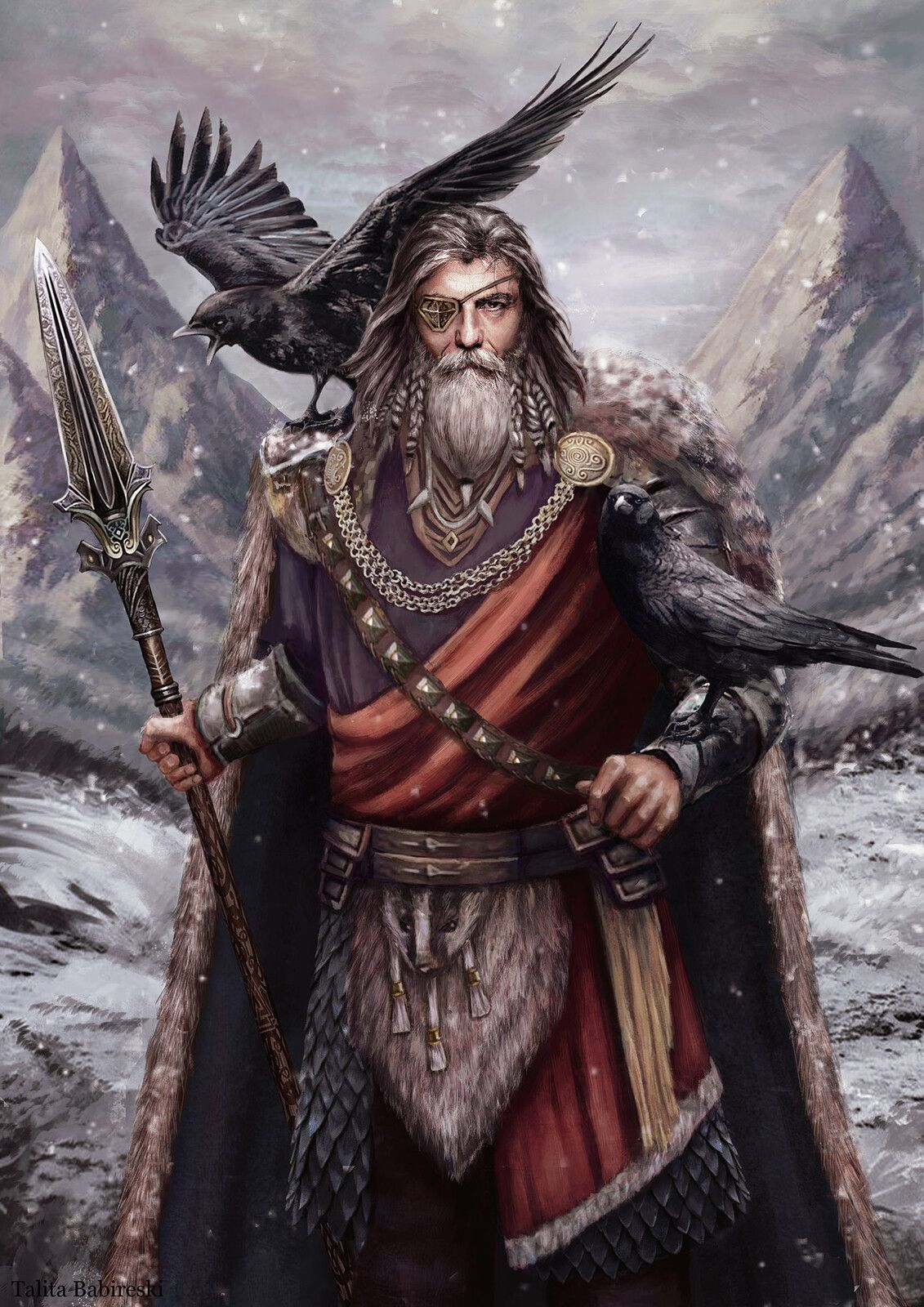
The All-Father. God of wisdom, war, death, and the mysteries of the cosmos. Odin wanders the world in disguise, watching settlements and testing their people. He sacrificed an eye for knowledge and hung himself from Yggdrasil for nine days to claim the runes - wisdom always comes at a price.

His ravens, Huginn and Muninn (Thought and Memory), fly across the world and return with whispers of all that happens beneath them.

Thveit - Possible Ideas

  • Ravens as divine scouts - Odin sends his ravens to observe the settlement. Players who maintain favour may receive advance warnings of coming events, storms, or creature appearances as omens.
  • Rune knowledge quests - Odin offers rare quests tied to ancient rune stones hidden across the world. Discovering and deciphering them unlocks unique boons or permanent settlement bonuses.
  • Sacrifice of comfort - Odin’s worship may require meaningful sacrifices: gold, resources, or even settler time and morale. The rewards are great, but nothing comes without cost.
  • Divine wanderer event - Odin may appear in disguise as a traveling stranger at the settlement gate, offering a choice or a riddle. The player’s decision determines whether blessing or consequence follows.
  • Death and memory - Fallen settlers who served Odin faithfully may leave behind ghostly echoes, not hostile draugr, but quiet presences that linger near places they loved.

Thor
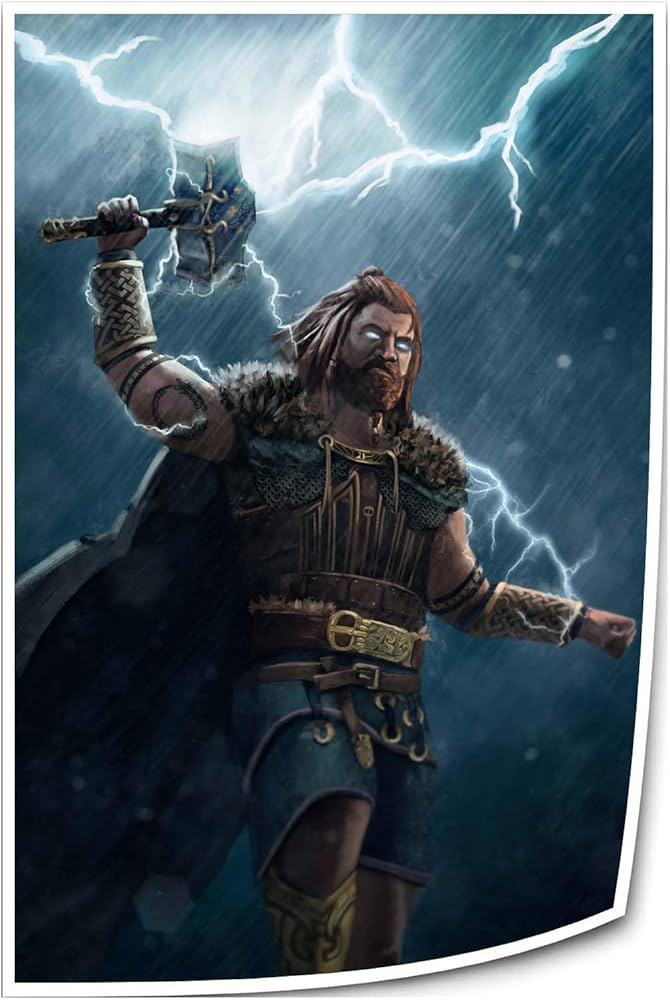
The Thunderer. God of storms, strength, and the protection of mankind. Thor is the most beloved of the Norse gods among common people - a warrior who fights not for glory but to keep the world safe from chaos and destruction. Where Odin seeks wisdom, Thor acts. Mjolnir, his hammer, is both a weapon and a symbol of protection over hearth and home.

Thveit - Possible Ideas

  • Storm blessings and lightning events - Settlements devoted to Thor may experience powerful storms that charge the land, bringing heavy rain that benefits crops and rivers but tests the resilience of structures.
  • Protection aura - Thor’s favour grants settlers increased resilience during creature attacks and supernatural events. Walls and structures may feel slightly sturdier under his watch.
  • Mjolnir blessing on construction - Faith quests for Thor could involve communal construction efforts, symbolising the strength of working together. Completing them may speed up future building projects.
  • Thunderblessing harvest - Thor influences rain and weather, meaning his worshippers may see better seasonal yields during rain-heavy periods.
  • Trial of strength events - Thor may challenge the settlement through endurance events - prolonged storms, waves of hostile creatures, or resource shortages - that, if survived, reward the settlement with significant boons.

Freyr
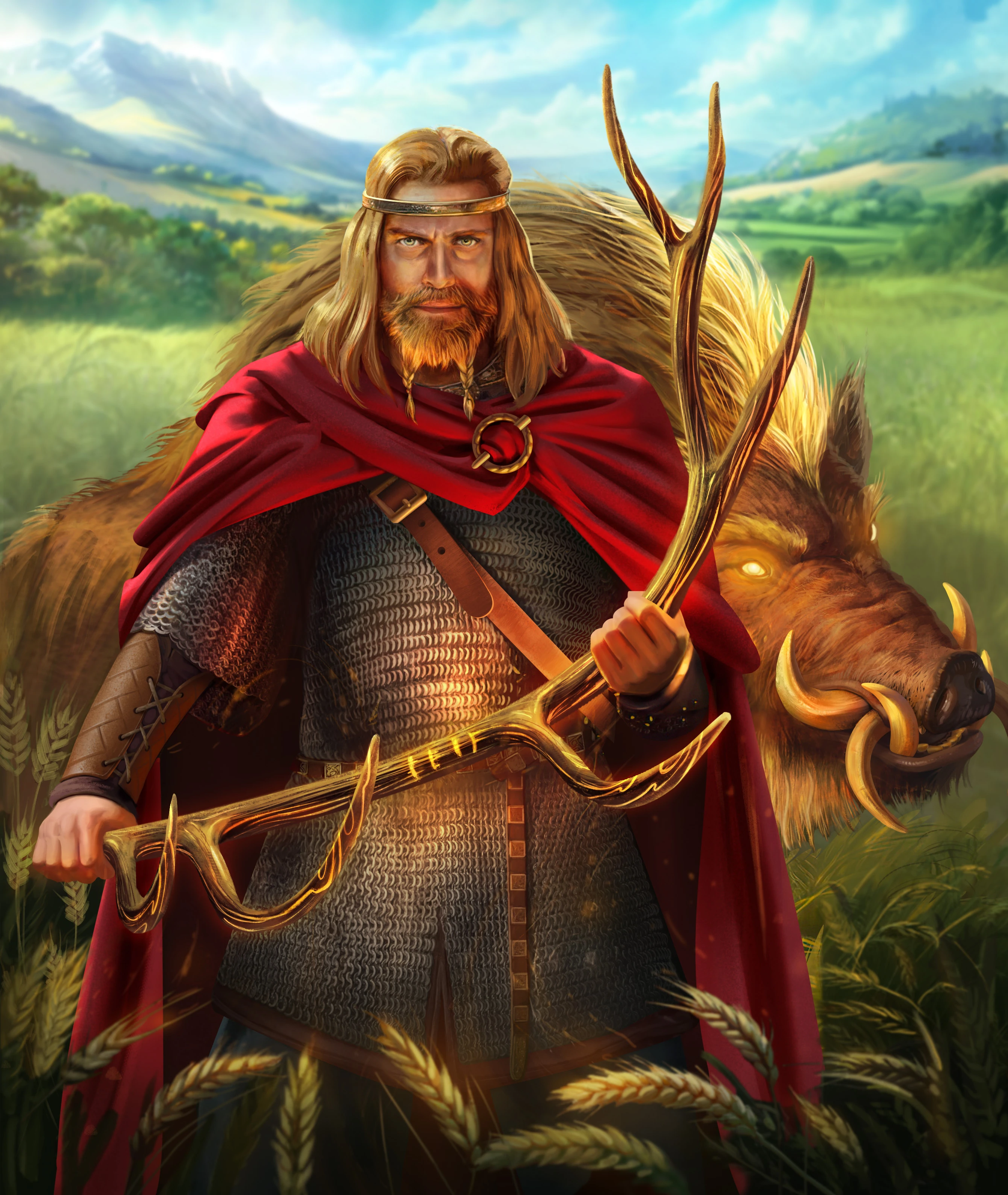
God of fertility, sunshine, and prosperity. Freyr rules over Alfheim and is associated with fair weather, abundant harvests, and the natural cycle of growth. He is a peaceful god of plenty, but his wrath is tied directly to the land - neglect him, and the earth itself turns against you.

Thveit - Possible Ideas

  • Harvest blessings - Freyr’s favour directly improves farm output. Fields grow faster, yields are higher, and seasonal transitions feel gentler for settlements under his protection.
  • Sunlit seasons - Freyr can extend the warmth of summer or ease the transition into autumn, giving settlers more time to prepare before winter arrives.
  • Farmland curse - Neglecting Freyr or failing his quests causes crops to wither, soil to dry, and food supplies to dwindle. His punishment is quiet but devastating.
  • Golden boar companion - A mythological companion inspired by Gullinbursti, Freyr’s legendary boar, may appear as a rare settlement guardian tied to fertile land and food security.
  • Fertility festivals - Seasonal ceremonies honouring Freyr could improve settler morale and comfort during midsummer events, with communal celebrations that strengthen cultural identity.

Freya
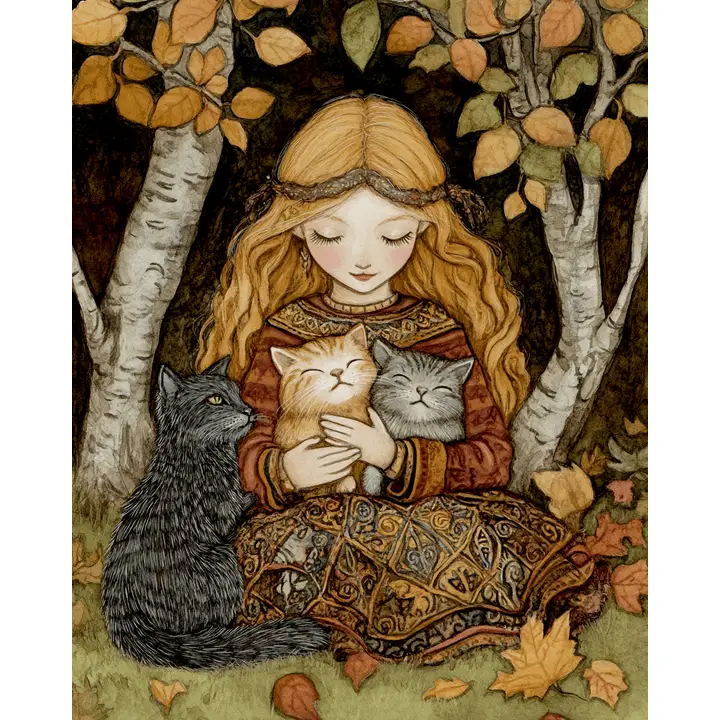
Goddess of love, beauty, magic, and war. Freya is one of the most powerful of all the Norse gods - a practitioner of seidr magic, a fierce warrior, and the one who chooses half of those fallen in battle to reside in her hall, Fólkvangr. She weeps tears of gold and is deeply connected to both life and death, joy and grief.

Thveit - Possible Ideas

  • Settler happiness and love events - Freya’s influence improves settler emotional wellbeing, morale, and may trigger romantic events between settlers that shape households and family life within the settlement.
    • This is given if we go into that direction of having families, marriage and children systems. This is more granular, but a good idea.
  • Seidr magic events - Freya can gift the settlement with moments of magical insight, foresight events that allow the player to glimpse what is coming before it arrives.
  • Draugr connection - Failing Freya or dishonouring the dead may cause her to send fallen settlers back as draugr, haunting the settlement during night hours as a consequence.
  • Battle blessing - For settlements that see conflict through creature attacks or divine punishments, Freya’s favour may provide a protective aura over defenders during dangerous events.
  • Sacred cats - Freya’s chariot is pulled by two large cats. A rare companion or decorative presence in the settlement, tied to her worship, could serve as a soft symbol of her protection over the homestead.
  • Settlement Cats - Cats from player’s own settlement can play a vital role which can give Freya her needed favor. Eg. players can work on getting more cats into their world (trading, accepting new arrivals) and building cat related objects/structures (Cat Sanctuary, Cat hub, cat beds as decos etc). Aiding your own cats helps bring favor of Freya to a higher level.

Njord
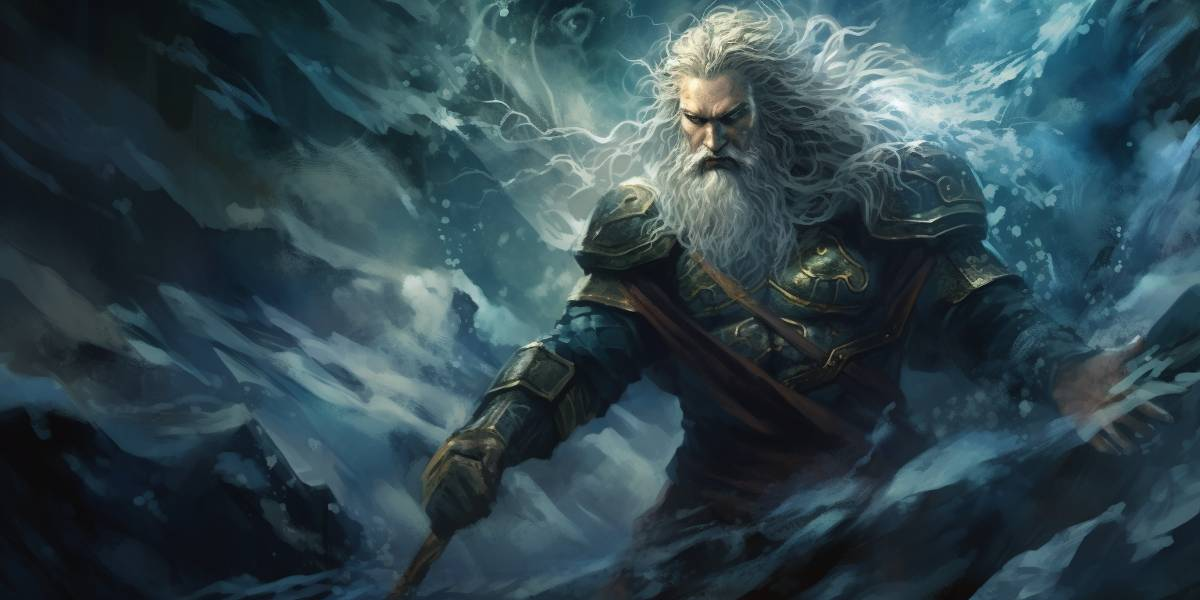
God of the sea, wind, fishing, and seafaring wealth. Njord governs the shores, the tides, and the bounty of the ocean. Sailors and fishermen pray to him for safe passage and full nets. He is a god of abundance when respected, and terrifying when angered, sending storms and sea monsters to punish those who take the ocean for granted.

Thveit - Possible Ideas

  • Fishing and coastal bonuses - Njord’s worship improves fish yields, coastal resource gathering, and the general productivity of any water-adjacent structures.
  • Favourable winds for exploration - Longboats launched under Njord’s blessing may travel faster, face fewer dangers at sea, and return with better trade goods from distant shores.
  • Sea serpent and Kraken punishment - Dishonouring Njord is among the most dangerous divine failures. He may summon sea serpents or kraken-like creatures to attack ships, destroy docks, and cut off trade routes entirely.
  • Storm events - Njord controls the wind and weather at sea. Extreme storms can batter coastal settlements, flood low-lying structures, and disrupt resource lines if his favour runs low.
  • Trade reputation blessing - Settlements deeply favoured by Njord may gain a passive reputation bonus with distant trading peoples, as seafarers and merchants speak well of those who honour the sea.

Mechanics

One of the core pillars of Thveit is its integration of Norse folklore, mythology, supernatural creatures, and fairy tale-like storytelling.

Rather than functioning purely as a historical city builder, We aim to create a world where mythology feels alive - where gods observe settlements, creatures wander the forests, spirits roam during the night, and ancient beings coexist alongside everyday village life.

The goal is to make the settlement feel like part of an old Nordic tale told beside a fire during winter.


Core Philosophy

The folklore system in Thveit is intended to:

  • Create memorable emergent stories
  • Add warmth, mystery, and unpredictability
  • Blend cozy settlement building with supernatural folklore
  • Encourage emotional attachment to the world
  • Make mythology a living gameplay system rather than “background” lore

These systems are designed to become one of the game’s main identity pillars and strongest unique features.


Gods & Deities

The Norse gods actively influence the world and settlement through worship, quests, blessings, punishments, supernatural events, and physical manifestations. This is also covered in Faith Building section.

Players may choose to worship specific gods such as:

  • Odin
  • Thor
  • Freya
  • Freyr
  • Njord
  • Additional deities over time

For a full breakdown of each god and their possible influence on Thveit, see Norse Old Gods.

Gods may reward settlements with:

  • Prosperity
  • Reputation
  • Resources
  • Protection
  • Environmental blessings

Or punish them through:

  • Storms
  • Failed harvests
  • Sea monsters
  • Curses
  • Supernatural events

In late game cases, gods will physically manifest within the settlement itself if players maintain strong favor and complete major questlines.


Mythological Creatures

Trolls

Trolls are intended to feel strange, whimsical, unpredictable, and occasionally intimidating - but not purely evil.

Trolls may randomly emerge from forests and approach the settlement with small requests or quests for the player.

Examples include:

  • Creating a bouquet for a troll
  • Preparing meals
  • Offering gifts
  • Completing odd tasks or rituals

Successfully helping a troll may result in:

  • The troll staying near the settlement
  • Troll sleeping near a farm, or your walls
  • Protection against hostile creatures
  • Assistance near farms or forests
  • Unique atmospheric interactions

Failed interactions may cause smaller consequences such as:

  • Damaged crops
  • Stolen resources
  • Might physically steal your settlers and carry them off into the woods

Trolls are not intended to be simple enemies. They are closer to powerful creatures of folklore with their own personalities and behaviors. They are also intended to stay near a player, with a player, throughout their gameplay, aid where needed and add to the depth of the world.


Draugrs

Draugrs are undead spirits connected to death, burial grounds, and forgotten souls.

They may appear:

  • During supernatural events
  • As consequences of failed divine quests
  • Near graveyards and sacred places
  • During harsh winters or cursed nights

Some Draugrs may become hostile, while others simply wander the world silently.

Dead settlers may occasionally return as passive spirits or ghostly figures that quietly roam through the settlement during the night.


Spirits (Hyms)

Spirits - known as Hyms - are mysterious entities tied to forests, water, fog, dreams, and ancient places.

Some Hyms are harmless observers, while others may guide, trick, or lure settlers away from safety.

Their presence is intended to make the wilderness feel spiritually alive and unknowable.


Creatures of Night

Various unnamed night creatures roam the wilderness after dark.

Some simply watch from the treeline or distant hills, while others may attempt to:

  • Frighten settlers
  • Lure villagers into forests
  • Snatch isolated settlers
  • Haunt remote structures

Nighttime is intended to feel atmospheric, mysterious, and slightly dangerous without becoming a full horror experience.


Kraken & Sea Serpents

Kraken-like creatures and massive sea serpents are primarily tied to the gods, especially Njord and supernatural sea events.

These creatures may appear:

  • As divine punishment
  • During storms
  • Near cursed voyages
  • During major mythological events

They threaten ships, docks, trade routes, and ocean exploration.
Their appearance is intended to feel rare, legendary, and terrifying in scale.


Dragons

Dragons are envisioned less as monsters and more as ancient mythical companions and long-term settlement guardians.

One proposed system involves:

  • Discovering dragon eggs - perhaps via Exploration & Trade
  • Building special structures to house them, as well as a stylized but cozy “enclosure”
  • Protecting and nurturing hatchlings
  • Feeding and caring for dragons as they grow

As dragons mature:

  • They become emotionally tied to the settlement
  • Offer quests and interactions
  • Protect villagers
  • Improve reputation and prestige
  • Aid the settlement during supernatural events

Rather than simple weapons or mounts, dragons are intended to feel like mythical living members of the settlement itself.


Additional Mythological Creatures

Potential additional folklore beings include:

  • Huldra - mysterious forest spirits that may lure settlers into the woods
  • Nøkk - water spirits tied to lakes and rivers
  • Fenrir-inspired wolves roaming remote wilderness
  • Lindworms - serpent-like dragon creatures
  • Ravens of Odin acting as omens or divine messengers
  • Mare spirits causing nightmares and supernatural sleep events
    • Have settlers sleep walk etc.
  • Fossegrimen - musical river spirits rewarding offerings
    • Have settlers dance.
  • Tomte/Nisse-inspired spirits protecting farms and homes if treated kindly

These creatures would help make the world feel deeply rooted in Scandinavian folklore and fairy tales.


Living Mythology

The mythology system in Thveit is intended to constantly blur the line between reality, folklore, superstition, and divine intervention.

Players should never fully know:

  • Whether the gods are watching
  • Which creatures are friendly
  • What may emerge from the forests at night
  • Whether myths are stories or truth

The ultimate goal is to create a settlement simulator where folklore itself becomes part of daily life - not just as narrative flavor, but as a living gameplay system that shapes the world, the settlers, and the stories players experience.

Mechanics

Keep Building New Structures, Attracting more Settlers & Specializing

Badges & Specialization

Structures in Thveit are divided into several major categories based on their purpose within the settlement. This organization helps players navigate the construction menu more easily while also defining the functional identity of different parts of the village.

Each category contributes to the growth, survival, atmosphere, and visual identity of the settlement.


Homesteads

Homesteads are residential buildings used to house settlers.

They provide shelter, warmth, comfort, and allow settlers to consume food and survive seasonal conditions. Expanding residential areas is essential for population growth and workforce management.

Homesteads are typically dense, cozy, and heavily stylized structures inspired by Norse and Scandinavian architecture.

Examples:

  • Tier I Homestead
  • Tier II Homestead (TBD)
  • Guesthouses (TBD)

Nature

Nature structures represent natural elements and environmental objects found throughout the world.

They all have gameplay purposes such as resource gathering, environmental storytelling, or terrain interaction.

This category helps maintain the organic and untamed feeling of the world.

Examples:

  • Trees
  • Rocks
  • Bushes
  • Mushrooms
  • Fertile soil
  • Ocean (for fishing)

Some buildings in this branch:

  • Herbsholm - a herbalist building that allows players to grow their own bushes in a small garden for herbs and berries.
  • Woodholm - traditional foresters lodge building for gathering wood by cutting down trees.
  • Fishstrond - a fishing hut building used for catching fish in the ocean.
  • Stoneholm - a quarry of sorts that detects nearby stone deposits and dispatches workers to mine them for stone.

Industry

Industry buildings are responsible for production, processing, storage, and resource management.

These structures form the economic backbone of the settlement and allow raw resources to be transformed into usable materials, tools, and goods.

Industry areas are typically noisier, busier, and visually dense with activity.

Examples:

  • Tresmidia - a lumberyard of sorts, takes in raw wood to produce planks. Planks are then used for advanced building constructions.
  • Stonecutter (TBD)
  • Blacksmith (TBD)
  • Warehouse - used for storing all kind of goods, from raw resources to industry produced ones.
  • Verksholm - employs laborers to do all the constructions that player sets them to do.
  • Tradeholm - a dock that represents a trading hub, allows ships to dock. Ships can bring new settlers for the players settlement or trade opportunities.
  • Longhouse - used for unlocking taxation (pledges), management of funds (gold), upkeep and lighter diplomacy.
  • Market - used for selling surplus of resources locally (within your own settlement) for gaining a bit more profit and boosting up comfort (market days event in game).
  • Beekeeper Holm - allows players to place down beehives that produce honey over time.
  • Bryggholm - a brewery that brews mead for consumption of your settlers.
  • Meadholm - a tavern building that settlers use to socialize with one another and enjoy brewed mead / food.

Farm

Farm structures support food production and livestock management.

Agriculture plays a major role in sustaining larger populations, especially during harsh seasonal changes and winters.

Farm areas are intended to feel calmer and more open compared to industrial districts.
Farm buildings - Akersteads as we call them - allow players to place down different variety of crops within its radius, meaning, players are allowed to mix vegetables such as cabbage, carrots, pumpkins with crops such as rye, barley or oats.

Examples:

  • Rye Farm
  • Orchard
  • Barn
    • Livestock pen.
  • Grain Storage

Faith

Faith structures represent the spiritual and mythological beliefs of the settlers.

These buildings can influence comfort, culture, rituals, seasonal events, and potentially interactions with Norse mythology and supernatural elements within the world.

Faith structures are designed to feel mystical, ancient, and atmospheric.

Examples:

  • Shrine
  • Ritual Circle
  • Temple
  • Offering Stones
  • Sacred Grove

Decorations

Decorations are cosmetic and infrastructural objects used to shape the visual identity and layout of the settlement.

While many decorations are primarily aesthetic, some also improve navigation, organization, or settlement efficiency as well as give boost to settler’s comfort.

Decorations branch into additional subcategories such as roads and bridges.

Roads

Roads help organize settlement layouts and improve movement flow for settlers and transport.

Different road types may affect movement speed, aesthetics, or accessibility.

Examples:

  • Dirt Path
  • Stone Road (TBA)
  • Wooden Walkway (TBA)

Bridges

Bridges allow settlers to cross rivers.
They also contribute heavily to the visual composition of settlements and exploration routes.

Examples:

  • Wooden Bridge
  • Stone Bridge (TBA)

The structure category system is designed to remain expandable throughout development, allowing new gameplay systems and thematic content to naturally integrate into the construction menu over time.

Mechanics

Unlock different new structures such as: Farm, Trade Hub, Advanced Warehouses, More Industry Buildings (honey, mead, flour etc.)

Specialize Your Settlement in Production Terms.

As your settlement keeps producing resources, it will start standing for something that you produce the most and most efficiently.

Eg. if player decides to plant plenty of Lavender fields and gets a higher yield of Lavender from the harvest, it can get a status badge for Lavender "Settlement Of Lavenders" eg.

This will boost the price of Lavender for the player locally & regionally. Giving a boost to exporting/selling Lavender for profit.

Build a God Domain

Build Advanced Faith Structures to Manifest a God

Dragon Enclosures

Survive Seasonal & Supernatural Events

Aside of having a production/economy based badge, earn a badge via Gods you worship

Specialize Settlement into a Legendary Identity

Worshipped God Appears in Your Settlement

Settlement Becomes a Sacred Sanctuary

More Decorations

Do a Final Set of Tasks/Quests/Requests to finally manifest a God into your settlement.

Achieve one or more mythic endgame goals

Dragon Reaches Maturity & is able to be utilized fully by a player

Start Trading with other Realms - player builds their own trade routes that bring profit/resources per N period of time.

More production chains

Build Advanced Structures

More resources tied to settler's needs as well as Creatures

Discover Dragon Egg through a possible Rumor

Send Voyages and Discover new Rumors, Creatures, Realms to Trade with.

Unlock Expeditions & Realms Map Exploration

Gain Passive Benefits

For actual Mechanics, refer to [[Mechanics.canvas]] canvas